The 70s Soul Diaspora — One Conversation, Four Continents
Holland · America · Brazil · Nigeria · Los Angeles · Mississippi Delta
Nobody planned this.
Each of us walked in with our own songs — no coordination, no group chat about themes. Michelle with her four hundred playlists and her ear for the ethereal. Paul with the muscle memory of a thousand concerts and the need to find the pocket. And me with the invisible laboratories — the records that took decades to reach the people they were always meant for.
When we put it all on the table, a map appeared that none of us had drawn. Holland, 1975. America, 1972. Brazil, 1975. Nigeria, 1975. Los Angeles, 2007. The Mississippi Delta, reincarnated in 2025.
Eight songs. Fifty years. A conversation nobody called — that never stopped happening.
— Mónica Posada · Discovery Sessions · Part of the Globoscopio familyNadie coordinó esto.
Cada uno llegó con canciones propias — sin saber qué iban a traer los demás. Michelle con sus playlist interminables y su oído para lo etéreo. Paul con la memoria muscular de los conciertos y la obsesión de encontrar el pocket perfecto. Y yo con los laboratorios invisibles, los discos que tardaron décadas en llegar a los oídos que siempre los esperaban.
Y cuando pusimos todo junto, apareció un mapa que nadie había dibujado. Holanda, 1975. Estados Unidos, 1972. Brasil, 1975. Nigeria, 1975. Los Ángeles, 2007. El delta del Mississippi, reencarnado en 2025.
Ocho canciones. Cincuenta años. Una conversación que nadie convocó — y que nunca dejó de ocurrir.
— Mónica Posada · Discovery Sessions · Parte de la familia GloboscopioWhere We're Coming From De Donde Venimos
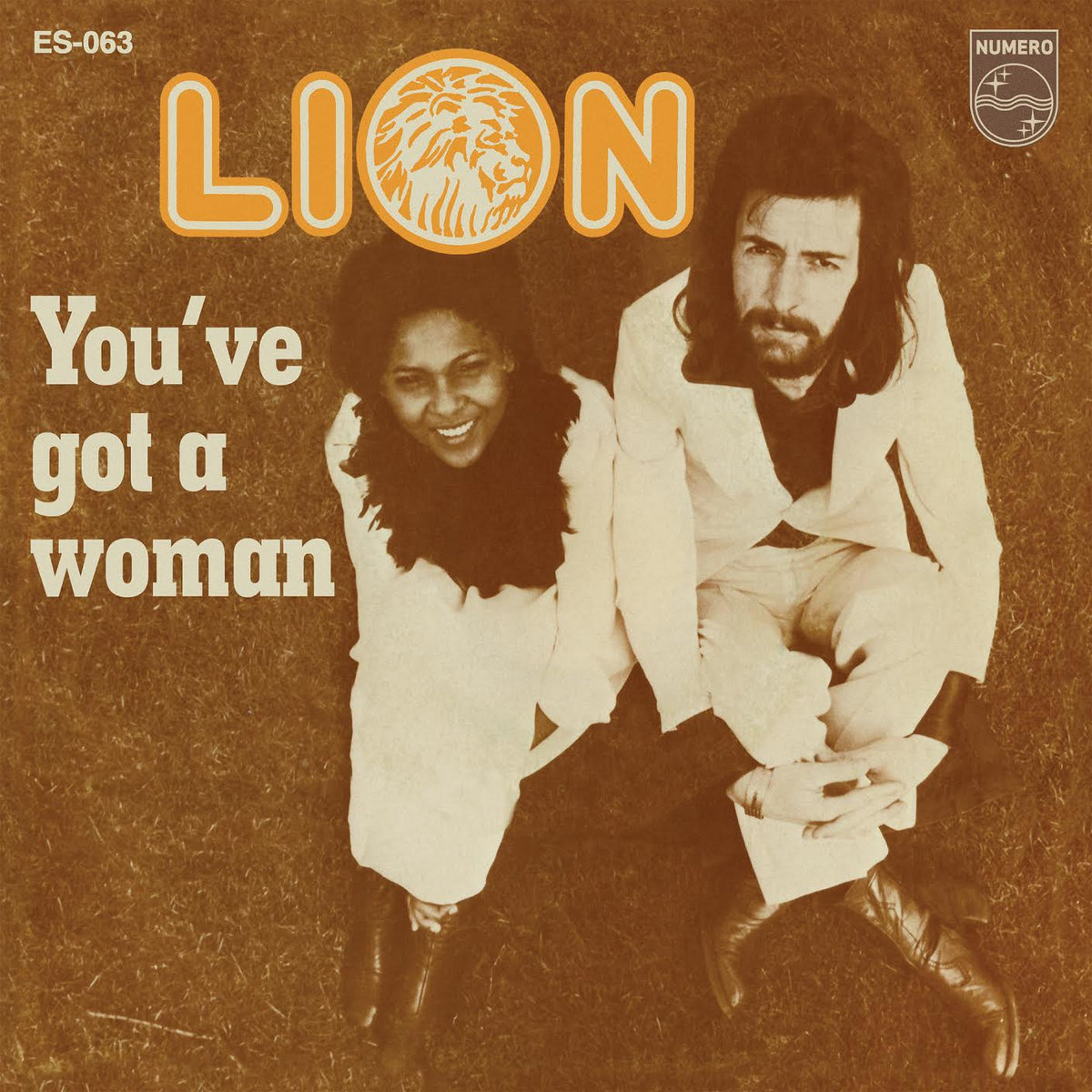
Lion
Lion isn't a stage name. It's the name of a Dutch musician — Peter de Leeuwe, a drummer by training — who in 1975 made a soul record so convincing that nobody believed it. Not because it sounded wrong — because it sounded too right to come from where it came from. Philips released it in Holland and almost nobody heard it.
When Michelle put it on the table, Paul asked the question everyone asks the first time they hear this track: where is this from? The answer still surprises people. Holland. 1975. A track that spent decades in near-total obscurity until funk and soul collectors rescued it. In 2017, Chicago indie band Whitney covered it — and that's how it reached the ears that still didn't know it. Two years later, Numero Group gave it an official reissue. The road that took forty-plus years to complete passed, as it turns out, through the same city I'm broadcasting from right now.
What makes "You've Got a Woman" impossible to set aside isn't technical polish — it's the urgency. There's something in that voice that doesn't ask permission to be there. And that, it turns out, has no passport. The same thing was happening on the other side of the Atlantic, at the same moment, in the same musical language — with neither side knowing about the other.
Lion no es un nombre artístico. Es el nombre de un músico holandés — Peter de Leeuwe, baterista de formación — que en 1975 grabó un disco de soul tan bueno que nadie lo creyó. No porque sonara mal — sino porque sonaba demasiado auténtico para venir de donde venía. Philips lo publicó en Holanda y casi nadie lo escuchó.
Cuando Michelle lo puso en la mesa, Paul hizo la pregunta que hace todo el mundo la primera vez que escucha este tema: ¿de dónde es? La respuesta siempre sorprende. Holanda. 1975. Un tema que pasó décadas en la oscuridad casi total, hasta que los coleccionistas de funk y soul lo rescataron. En 2017, el grupo de indie de Chicago Whitney lo versionó — y así llegó a los oídos que todavía no lo conocían. Dos años después, Numero Group lo reeditó oficialmente. El camino que tardó cuarenta y pico años en completarse pasó, curiosamente, por la misma ciudad desde donde les hablo ahora.
Lo que hace a "You've Got a Woman" imposible de ignorar no es la perfección técnica — es la urgencia. Hay algo en esa voz que no pide permiso para estar ahí. Y eso, resulta, no tiene pasaporte.
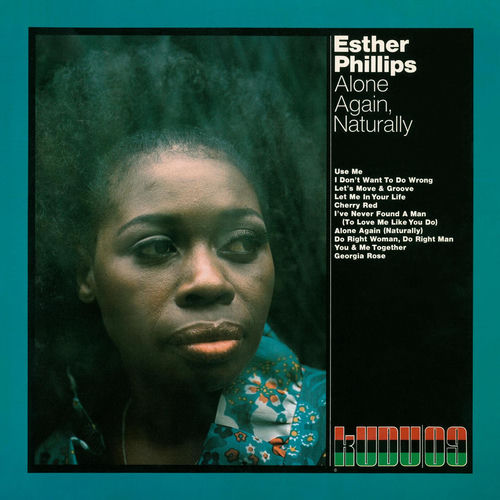
Esther Phillips
Some songs exist on their own. And some songs only exist in relation to another song — they only make sense when you know where they came from and where they ended up.
"Use Me" is both.
The original is Bill Withers. 1972. Produced by Creed Taylor at Kudu Records, arranged by Pee Wee Ellis — the same musical director who was behind James Brown for years. It's a song about complicity in a destructive relationship, and Withers delivers it with the calm of someone who already knows and stays anyway.
Esther Phillips took it the same year. What Esther did with that song, according to Paul, is something you can only do if you've lived what the lyrics describe. The Withers version is a man understanding his situation. The Phillips version is a woman who understood it a long time ago — and chose to stay anyway. Same year. Same song. Almost two different songs.
Pee Wee Ellis provided the arrangement. Esther Phillips provided the experience. And the result is that forty-some years later, in a room in Chicago, Paul still can't explain it without pausing first.
Hay canciones que existen solas. Y hay canciones que existen en relación a otra canción — que solo tienen sentido cuando sabes de dónde vienen y adónde llegaron.
"Use Me" es ambas cosas.
La original es de Bill Withers. 1972. Producida por Creed Taylor en Kudu Records, con arreglos de Pee Wee Ellis — el mismo director musical que estuvo detrás de James Brown durante años.
Esther Phillips la tomó ese mismo año. Y lo que hizo Esther con esa canción, según Paul, es lo que solamente puede hacer alguien que ha vivido lo que describe la letra. La versión de Withers es un hombre entendiendo su situación. La versión de Phillips es una mujer que ya lo entendió hace tiempo — y eligió quedarse igual.
Pee Wee Ellis puso los arreglos. Esther Phillips puso la experiencia. Y el resultado es que cuarenta y tantos años después, en una sala en Chicago, Paul todavía no puede explicarlo sin hacer una pausa.
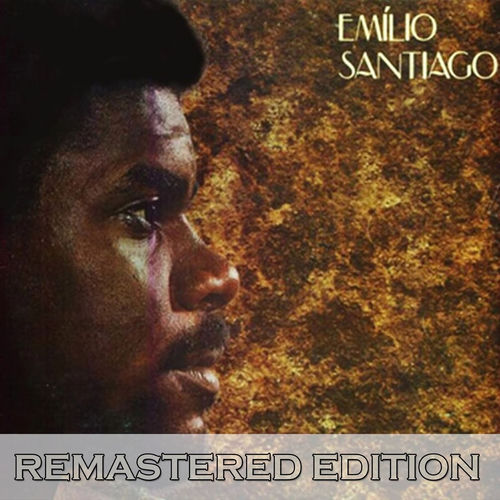
Emílio Santiago
There are two kinds of invisibility in 1970s music. The first: the artist who never had distribution. The second: the artist who had distribution, even success — but in the wrong place, the wrong language, in front of the wrong audience.
Emílio Santiago was the second kind. In Brazil, he was known. To the rest of the world, he didn't exist.
"Bananeira" was written by João Donato and Gilberto Gil — two of the architects of MPB, Música Popular Brasileira — and Santiago recorded it in 1975 for CID Brasil. It comes from the Brazilian funk and soul tradition, the fusion that emerged when North American soul crossed the Atlantic and Brazilian popular music absorbed it without losing any of itself. The horn arrangements and rhythm section do exactly what groove has to do: convince you it was always there. Santiago's voice sounds relaxed and urgent at the same time. Like groove is a natural state, not something you reach for.
Fifty years later, Michelle, Paul, and I were listening to it in a room in Chicago — and none of us had planned it.
That's what time does with good music: it distributes it.
Hay dos tipos de invisibilidad en la música de los setenta. El primero: el artista que nunca tuvo distribución. El segundo: el artista que tuvo distribución, éxito incluso — pero en el lugar equivocado, en el idioma equivocado, frente al público equivocado.
Emílio Santiago era del segundo tipo. En Brasil, era conocido. En el resto del mundo, no existía.
"Bananeira" es una composición de João Donato y Gilberto Gil — dos de los arquitectos de la MPB — que Santiago grabó en 1975 para CID Brasil. Los arreglos de metales y la sección rítmica hacen exactamente lo que tiene que hacer el groove: te convencen de que siempre ha existido. La voz de Santiago suena relajada y urgente al mismo tiempo. Como si el groove fuera un estado natural, no un esfuerzo.
Cincuenta años después, Michelle, Paul y yo estábamos escuchándolo en una sala en Chicago — y ninguno de nosotros lo había planeado.
Eso es lo que hace el tiempo con la buena música: la distribuye.
Going Deeper Yendo Más Profundo
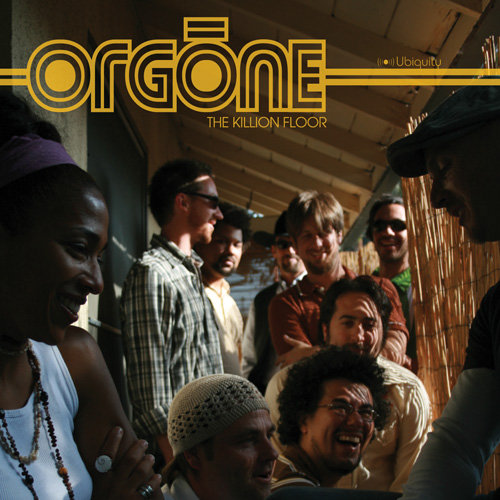
Orgone ft. Fanny Franklin
Mónica raised a question before putting this track on: what happens to a musical tradition when the decade that created it ends? Does it die? Or does it find new bodies?
Orgone is the answer.
They're a Los Angeles collective that spent years learning the grammar of deep funk and Afrobeat the only way that actually works — by playing it. Not as nostalgia, not as an academic exercise. As living practice. "Who Knows Who" sounds like something that could have come out of the seventies not because it's recreating the seventies — but because Orgone understood what made that music what it was, and applied it. There's a difference between imitating a tradition and inheriting it.
Fanny Franklin sings over a rhythm section that flat-out refuses to rush. The pocket that matters to Paul — that space where musicians breathe together — is here, built by musicians who were born after the year the music they're playing was made.
What connects Orgone to Lion, to Esther, to Fela isn't chronology. It's posture. Groove isn't a historical period. It's a way of listening.
Hay una pregunta que Mónica planteó antes de poner este tema: ¿qué pasa con una tradición musical cuando termina la década que la creó? ¿Muere? ¿O encuentra nuevos cuerpos?
Orgone es la respuesta.
Son un colectivo de Los Ángeles que pasó años aprendiendo la gramática del deep funk y el Afrobeat de la única manera que funciona — tocándolos. No como nostalgia, no como ejercicio académico. Como práctica viva. "Who Knows Who" suena a algo que podría haber salido de los setenta no porque esté recreando los setenta — sino porque Orgone entendió qué hacía que esa música fuera así, y lo aplicó. Hay diferencia entre imitar y heredar.
Lo que conecta a Orgone con Lion, con Esther, con Fela no es la cronología. Es la postura. El groove no es un período histórico. Es una forma de escuchar.
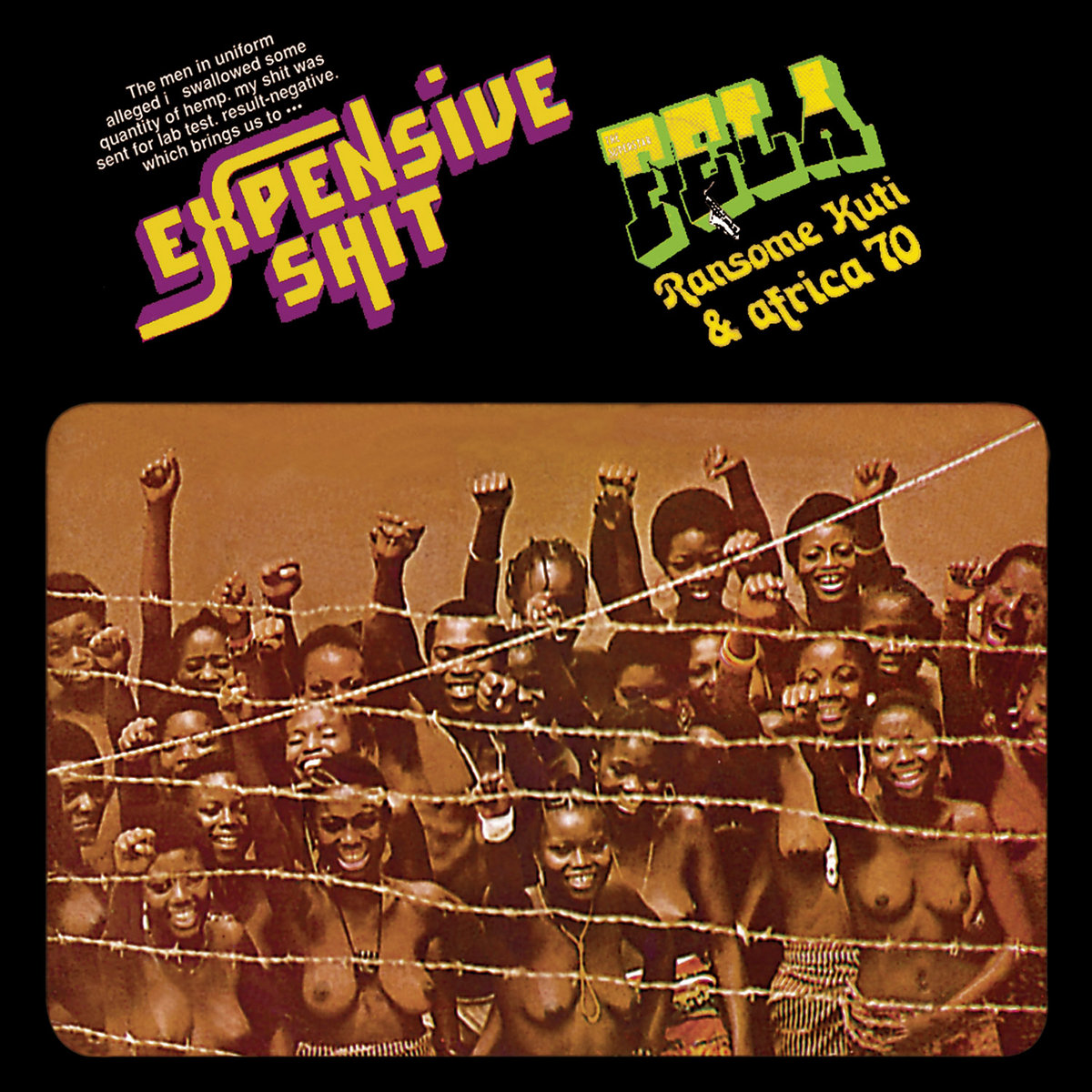
Fela Kuti
"Water No Get Enemy" comes from a Yoruba proverb. Water has no enemy — because everyone needs it.
Fela Anikulapo Kuti knew that when he named this track. He was 37, had already founded the Kalakuta Republic — an artistic and political commune in Lagos that the Nigerian government tried to destroy more than once — and had spent years building Afrobeat as a form of resistance. Not as a genre. As a position.
Fela's Afrobeat is not what the world calls Afrobeats today — that distinction matters. Fela built something very specific: complex rhythms rooted in Yoruba tradition with North American funk laid over them, lyrics in Nigerian Pidgin English that ordinary people could understand, and live performances that could run forty minutes per song. The album version used here is edited — and even so, when the groove settles in, it's hard to want it to stop.
Paul heard it and asked what Fela meant by the title. The honest answer is: several things at once. Water as the basic sustenance no one should be able to deny. And music as water — inevitable, universal, impossible to contain.
Fela never asked permission to be political. He was from the first note.
"Water No Get Enemy" viene de un proverbio yoruba. El agua no tiene enemigo — porque todo el mundo la necesita.
Fela Anikulapo Kuti lo sabía cuando tituló este tema. Tenía 37 años, había fundado la Kalakuta Republic — una comuna artística y política en Lagos que el gobierno nigeriano intentó destruir más de una vez — y ya llevaba años construyendo el Afrobeat como forma de resistencia. No como un género. Como una posición.
El Afrobeat de Fela no es lo que el mundo llama Afrobeats hoy — importa hacer esa distinción. Fela construyó algo muy específico: ritmos complejos de origen yoruba y funk norteamericano encima, letras en inglés pidgin que el pueblo llano podía entender, y actuaciones en vivo que podían durar cuarenta minutos por tema.
Paul preguntó qué quería decir Fela con ese título. La respuesta más honesta es: varias cosas a la vez. El agua como sustento básico al que nadie debería poder negar el acceso. Y la música como el agua — inevitable, universal, imposible de contener.
Fela nunca pidió permiso para ser político. Lo fue desde la primera nota.
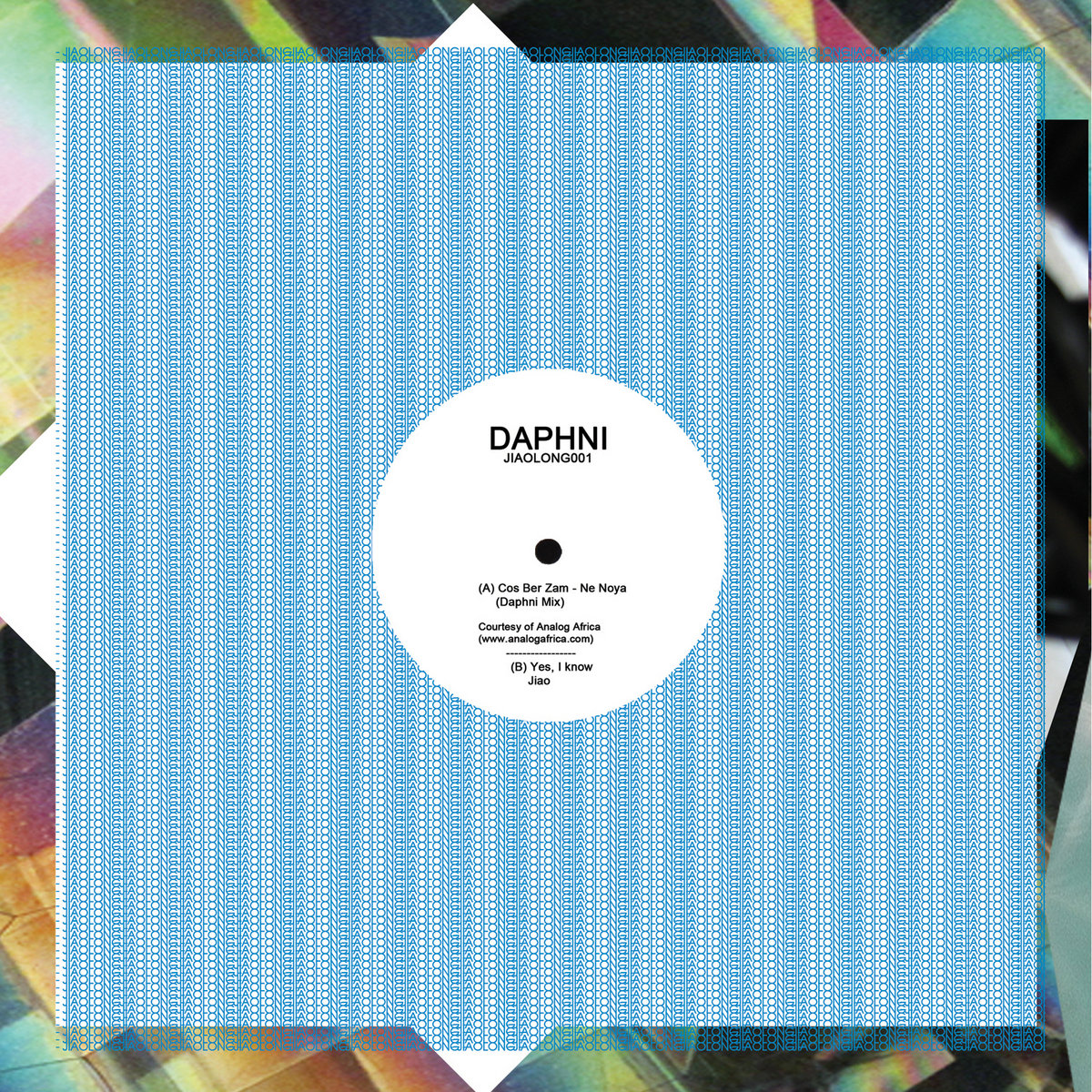
Daphni / Cos-Ber-Zam
Before I put this track on, I asked Michelle and Paul a question that has no right answer.
The original is a Togolese funk track from 1973 by a group called Cos-Ber-Zam, released on Editions Makossa. The vocals are in Ewe — a language spoken across southern Togo and Ghana. Caribou — the Canadian producer Dan Snaith — heard it in 2012 and remade it as a dancefloor record, releasing it on his debut album Jiaolong through Merge Records. Is that transmission? Or transformation? What do we owe the source?
"Ne Noya (Daphni Mix)" doesn't answer the question — it embodies it. Snaith keeps the central percussive loop that defines the Togolese original. On top of it he builds something that in 2012 sounded like avant-garde dancefloor. The Ewe vocals from Cos-Ber-Zam are still there, recognizable to anyone who knows them, invisible to anyone who doesn't.
I didn't leave the question resolved. Neither did the groove.
Antes de poner este tema, hice una pregunta a Michelle y Paul que no tiene respuesta correcta.
El original es una pista de funk togolés de 1973, grabada por un grupo llamado Cos-Ber-Zam y publicada en Editions Makossa. Las voces están en ewe — una lengua hablada en el sur de Togo y Ghana. Caribou — el productor canadiense Dan Snaith — la escuchó en 2012 y la rehizo como un disco de club. ¿Eso es transmisión? ¿O transformación? ¿Qué le debemos a la fuente?
"Ne Noya (Daphni Mix)" no responde la pregunta — la encarna. Snaith mantiene el bucle percusivo central que define el original togolés. Las voces en ewe de Cos-Ber-Zam siguen ahí, reconocibles para quien las conoce, invisibles para quien no.
No dejé la pregunta resuelta. El groove tampoco.
The Closer El Cierre
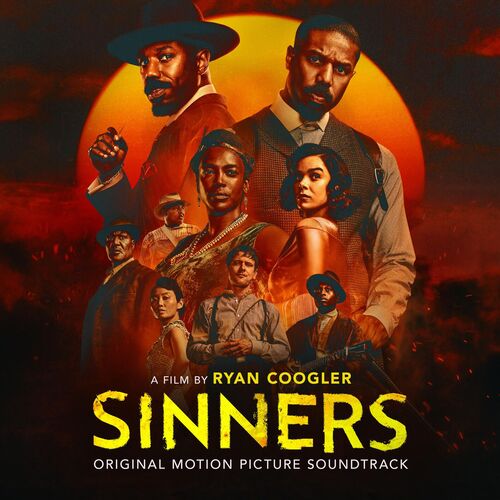
Alice Smith & Miles Caton
Paul came to this track through a film I hadn't seen yet. Sinners, directed by Ryan Coogler, 2025. A story set in the 1930s Mississippi Delta. And this song — "Last Time (I Seen the Sun)," performed by Alice Smith and Miles Caton — sounds like the blues always sounded this way.
That's exactly what makes it hard to set aside. It doesn't sound like a recreated past. It sounds like a present that knows its history. Alice Smith has one of those voices that isn't built — it's formed, over decades of being close to music that matters. Miles Caton, who was eighteen when the soundtrack was recorded, brings something different: urgency without nostalgia, because for him this isn't history — it's language.
Michelle called it "churchy in the best way." Paul didn't add words after the song ended. We sat with it. That's also an answer.
Paul llegó a este tema por una película que yo todavía no había visto. Sinners, de Ryan Coogler, 2025. Una historia ambientada en el delta del Mississippi de los años treinta. Y esta canción funciona como si el blues siempre hubiera sonado así.
No suena a pasado recreado. Suena a presente que conoce su historia. Alice Smith tiene una de esas voces que no se construyen — se forman, a lo largo de décadas de estar cerca de la música que importa. Miles Caton, que tenía dieciocho años cuando se grabó la banda sonora, trae algo diferente: urgencia sin nostalgia, porque para él esto no es historia — es idioma.
Michelle lo llamó "churchy en el mejor sentido". Paul no añadió más palabras después de que terminó la canción. Hicimos pausa. Eso también es una respuesta.
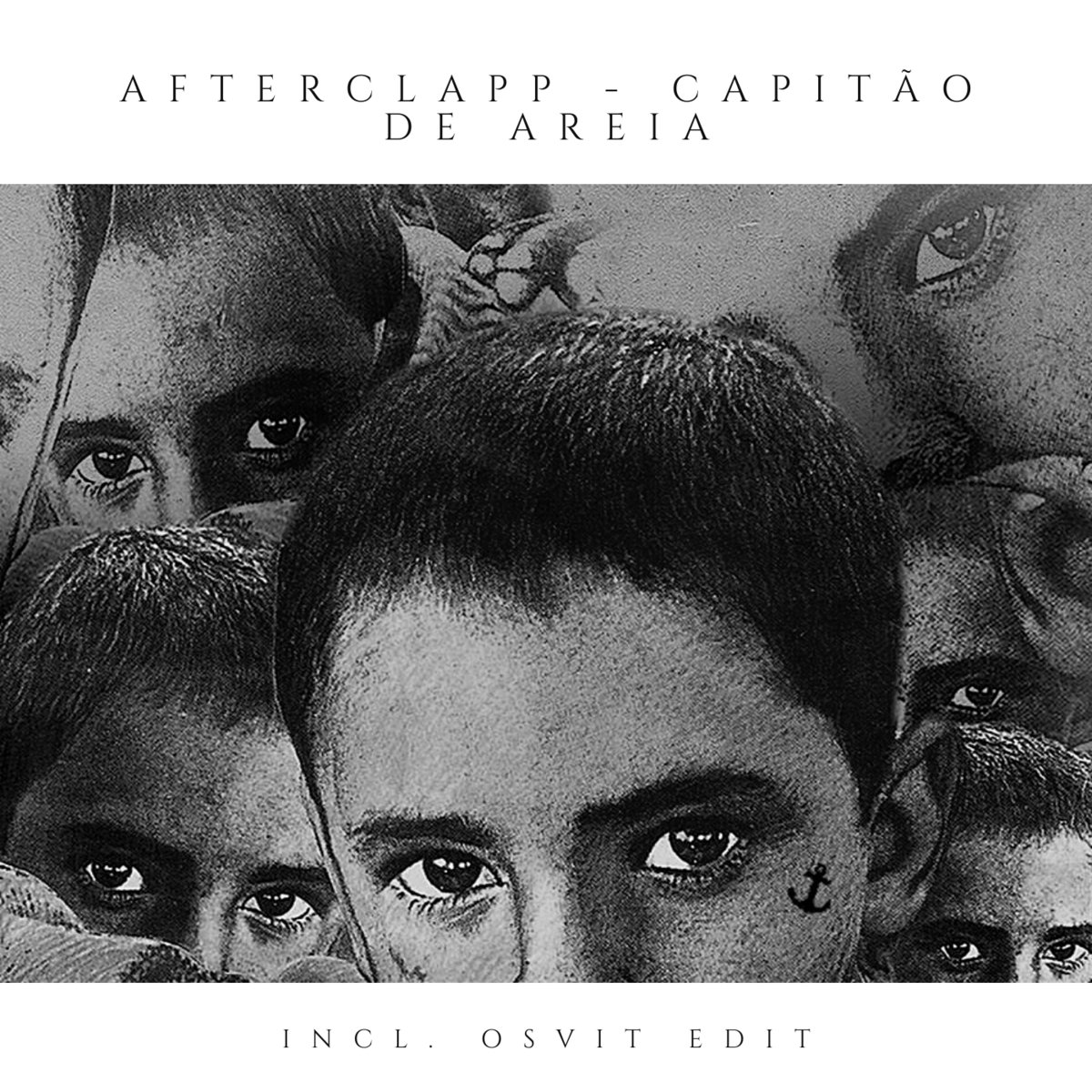
Afterclapp
The thread running through everything we heard today — Holland, America, Brazil, Nigeria, Los Angeles, Mississippi — ends here, in Brazil, in 2019.
Afterclapp are producers from Florianópolis who took Jorge Amado's classic novel Capitães da Areia — the story of street children living on the beaches of Salvador, Bahia — as their starting point. The result is cinematic: trip-hop, jazz, and Brazilian rhythms woven together with samples and live instrumentation, saturated with the warm, nostalgic light of the Northeast. "Capitão de Areia" sounds like all the songs we played today had a conversation somewhere, and this is what came out the other side.
Not citation. Not homage. Continuation.
The map nobody drew had this point marked from the beginning.
El hilo conductor de todo lo que escuchamos hoy — Holanda, América, Brasil, Nigeria, Los Ángeles, Mississippi — termina aquí, en Brasil, en 2019.
Afterclapp son productores de Florianópolis que tomaron como punto de partida Capitães da Areia, la novela clásica de Jorge Amado sobre niños de la calle en las playas de Salvador, Bahia. El resultado es cinematográfico: trip-hop, jazz y ritmos brasileños mezclados con samples e instrumentación en vivo. "Capitão de Areia" suena como si todas las canciones que escuchamos hoy hubieran tenido una conversación en algún cuarto, y esto es lo que salió del otro lado.
No es cita. No es homenaje. Es continuación.
El mapa que nadie dibujó tenía este punto marcado desde el principio.