Entre Mundos / Between Worlds
SOUTH CAROLINA · MONTREAL · BROOKLYN · LIVERPOOL · PARIS · HOUSTON · CHICAGO · AMSTERDAM · BAMAKO CAROLINA DEL SUR · MONTREAL · BROOKLYN · LIVERPOOL · PARÍS · HOUSTON · CHICAGO · ÁMSTERDAM · BAMAKO
We didn't plan this. Three of us sat down with a list of songs nobody had coordinated, pressed play, and waited to see what would happen. That's always the format — bring what you want us to hear, tell us why, and see what thread appears. What we didn't expect was how quickly the room would start asking the same question about every artist on the list: where are these people actually from?
Because the answer was never simple. Marcus King carrying Southern soul into Nashville's RCA Studio A. Lhasa De Sela singing in a language she loved but didn't call her own. A forgotten 1971 Liverpool song that lived four more lives across fifty years. A Parisian collective translating Depeche Mode into Turkish on electric saz. Khruangbin channeling Thailand and Iran from a barn in Texas. Amadou and Mariam putting Bamako in Paris and then singing Paris back to itself. Nine artists. Not one of them from where their music sounds like it's from.
Entre mundos. Between worlds. That's where this music lives — and once we saw it, we couldn't unsee it. Every song became a witness.
Pull up a chair. Let it play.
— Mónica Posada · Discovery Sessions · Part of the Globoscopio familyNo lo planeamos. Nos sentamos los tres con una lista de canciones que nadie había coordinado, le dimos play, y esperamos a ver qué pasaba. El formato siempre es el mismo — traer lo que quieres que escuchemos, decirnos por qué, y ver qué hilo aparece. Lo que no esperábamos era la velocidad con la que todos empezamos a hacernos la misma pregunta sobre cada artista de la lista: ¿de dónde son estas personas?
Porque la respuesta nunca fue simple. Marcus King llevando el soul del sur al RCA Studio A de Nashville. Lhasa De Sela cantando en un idioma que amaba pero que no consideraba suyo. Una canción olvidada de Liverpool de 1971 que vivió cuatro vidas más a lo largo de cincuenta años. Un colectivo parisino traduciendo a Depeche Mode al turco con un saz eléctrico. Khruangbin filtrando Tailandia e Irán desde un granero en Texas. Amadou y Mariam poniendo Bamako en París y después cantándole París a París. Nueve artistas. Ni uno solo viene de donde su música parece venir.
Entre mundos. Ahí es donde vive esta música — y una vez visto, no se olvida. Cada canción se volvió testigo.
Acerca una silla. Dale play.
— Mónica Posada · Discovery Sessions · Parte de la familia GloboscopioThe Longing El Anhelo
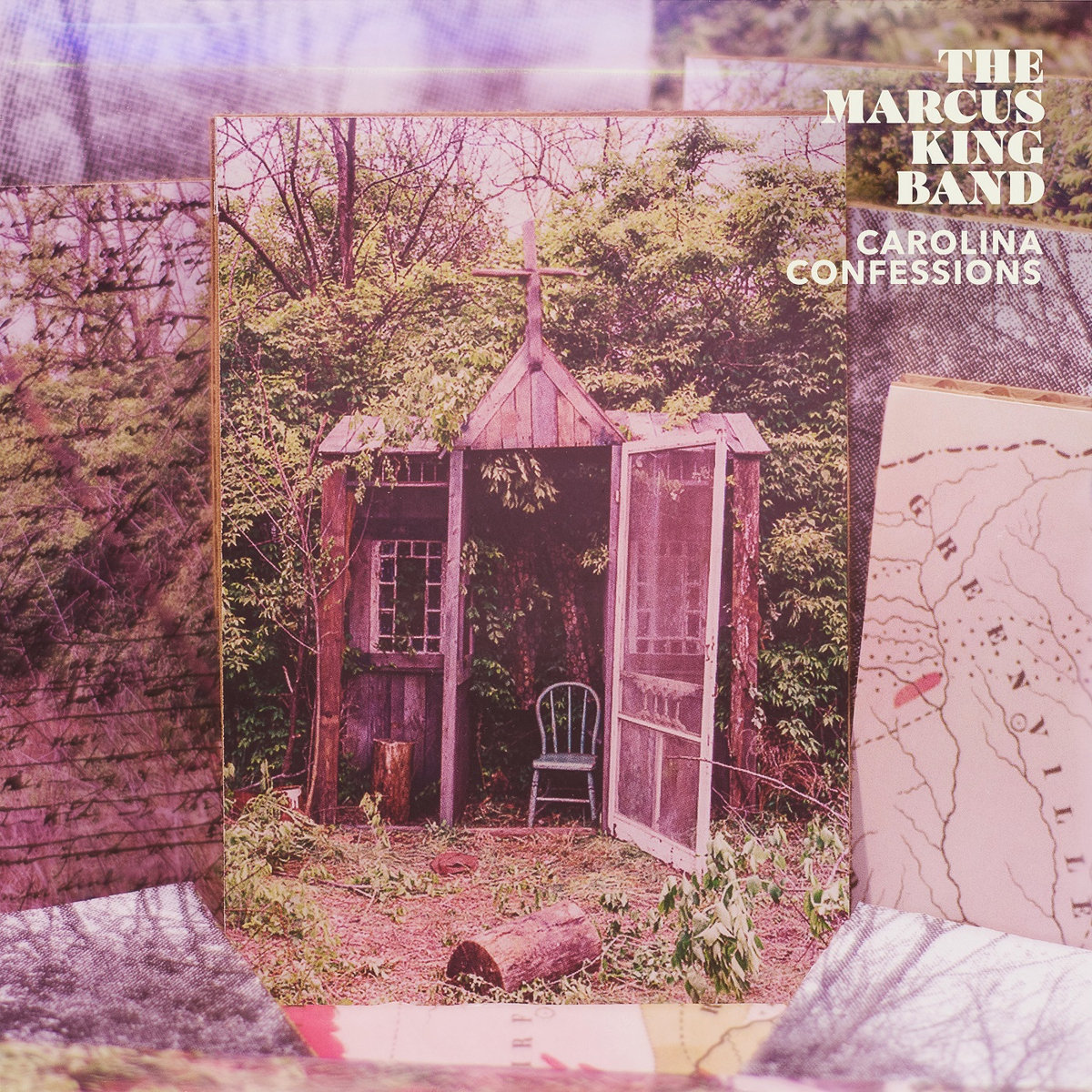
The Marcus King Band
The Marcus King Band recorded Carolina Confessions at RCA Studio A in Nashville — a room that holds sixty years of American music in its walls. Dolly Parton tracked Jolene there. Willie Nelson and Charley Pride made records there. Marcus King was twenty-two years old when he walked in. He'd been leading a band since he was twelve, carrying a family musical tradition into a room built for legends. What he says about that time is more modest: "There's nothing I do that I find to be particularly extraordinary. I just really love what I do." The producer was Dave Cobb — the same architect behind Chris Stapleton's Traveller and Sturgill Simpson's breakthrough records. "Homesick" is the album's lead single, and it's the sound of a young musician who already knows exactly where he came from and is trying to figure out where he's going.
The Marcus King Band grabó Carolina Confessions en el RCA Studio A de Nashville — una sala que guarda sesenta años de música estadounidense en sus paredes. Dolly Parton grabó Jolene ahí. Willie Nelson y Charley Pride hicieron discos ahí. Marcus King tenía veintidós años cuando entró. Había estado liderando una banda desde los doce, cargando una tradición musical familiar hacia una sala construida para leyendas. Lo que él dice de esa época es más modesto: "No hay nada que yo haga que me parezca extraordinario. Simplemente amo lo que hago." El productor fue Dave Cobb — detrás de Traveller de Chris Stapleton y de los discos que definieron a Sturgill Simpson. "Homesick" es el sencillo que abrió el álbum, y es el sonido de un músico joven que ya sabe exactamente de dónde viene y está tratando de descubrir hacia dónde va.
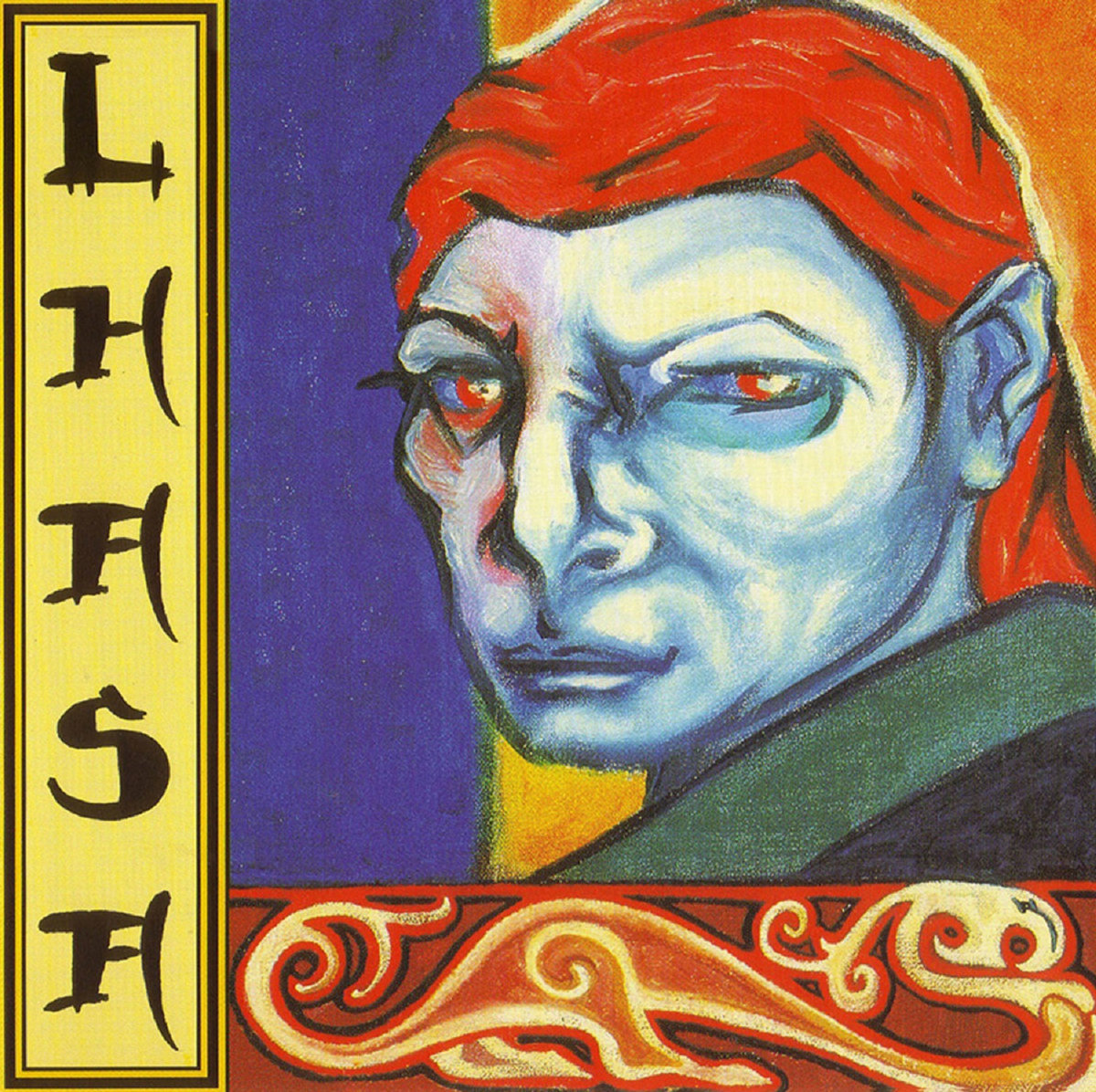
Lhasa De Sela
Lhasa De Sela was born in Big Indian, New York, to a Mexican father — Alejandro Sela, a Spanish language teacher who would later complete a PhD at the University at Albany on the literature of the Mexican conquest — and an American mother, Alexandra Karam, who was a photographer and actress. Her paternal grandmother was Carmen de Obarrio, a Panamanian concert pianist who had recorded for RCA Victor in the 1920s. Her Lebanese great-grandfather, Basel, sang in six languages. Her childhood was spent in a converted school bus criss-crossing the United States and Mexico, home-schooled by her mother. At eighteen she moved to Montreal. She sang in bars for five years. Five years is a long time in bars — most musicians don't survive that apprenticeship. She was eventually signed by a label owner who'd seen her perform with a shaved head in front of a tiny nightclub audience.
"De Cara a la Pared" is the opening track of La Llorona, her 1997 debut. She sang entirely in Spanish — a language she said came from a deeper place, even though she didn't consider herself fluent in it. The song's lyrics draw on an Aztec version of the La Llorona legend her father taught her: in that version, the weeping woman wasn't a victim but a prophet, appearing in a dream to the Emperor of Mexico before the Spanish arrived in 1519, her voice heard on the wind crying my children, my children, what will become of my children. Lhasa died of breast cancer in 2010. She was thirty-seven. She left three albums. This is the first thing the world heard from her.
Lhasa De Sela nació en Big Indian, Nueva York, hija de un padre mexicano — Alejandro Sela, profesor de lengua española que más tarde completaría un doctorado en la Universidad de Albany sobre la literatura de la conquista de México — y una madre estadounidense, Alexandra Karam, fotógrafa y actriz. Su abuela paterna era Carmen de Obarrio, pianista de concierto panameña que había grabado para RCA Victor en los años veinte. Su bisabuelo libanés, Basel, cantaba en seis idiomas. Su infancia transcurrió en un autobús escolar convertido, cruzando Estados Unidos y México de lado a lado, educada en casa por su madre. A los dieciocho se mudó a Montreal. Cantó en bares durante cinco años. Cinco años en bares es mucho tiempo — la mayoría no sobrevive a ese aprendizaje. La fichó un dueño de sello que la había visto actuar con la cabeza rapada frente a un público minúsculo.
"De Cara a la Pared" es la canción que abre La Llorona, su álbum debut de 1997. Cantaba enteramente en español — un idioma que decía venía de un lugar más profundo, aunque ella no se consideraba fluida en él. La letra de la canción recoge una versión azteca de la leyenda de La Llorona que su padre le enseñó: en esa versión, la mujer que llora no era víctima sino profeta, apareciéndose en un sueño al Emperador de México antes de la llegada de los españoles en 1519, su voz escuchándose en el viento clamando mis hijos, mis hijos, ¿qué será de mis hijos?. Lhasa murió de cáncer de mama en 2010. Tenía treinta y siete años. Dejó tres álbumes. Esto es lo primero que el mundo escuchó de ella.
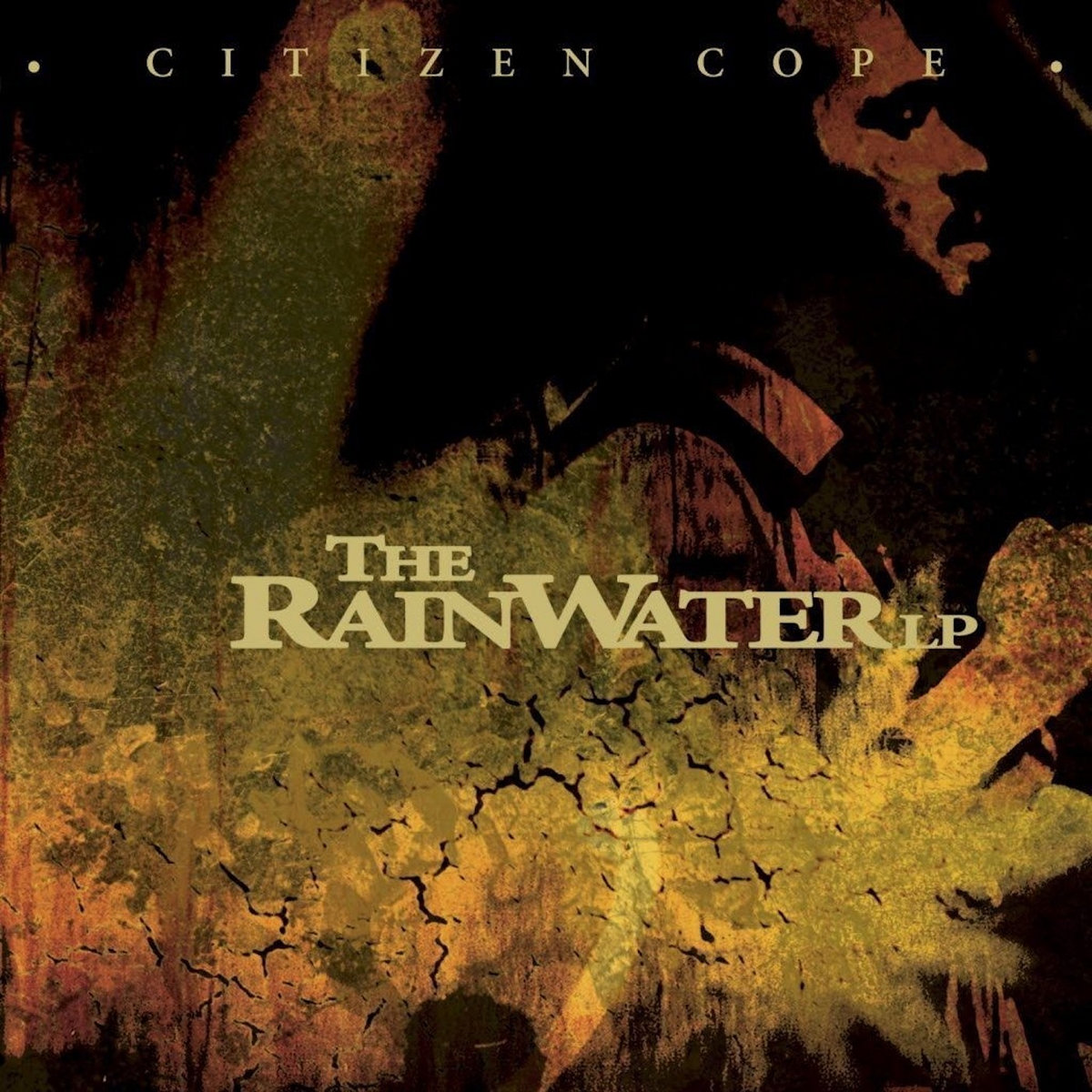
Citizen Cope
Citizen Cope is Clarence Greenwood. Born in Memphis, raised in Washington, DC, based in Brooklyn. His music blends soul, folk, R&B, and hip-hop into something no single genre word covers. He's never had a conventional hit — but his songs have appeared in dozens of films and TV shows, building a quiet ubiquity that operates below the radar of the charts.
The Rainwater LP was the first record he released on his own label, RainWater Recordings. He left his previous deal because he was tired of being told what the retail market needed from him. In his own words: "I don't want to be led into those confines anymore." "Healing Hands" was the album's first single. Memphis to DC to Brooklyn. Soul, folk, hip-hop. No label, no box. Another artist between worlds — though we didn't have the words for it yet.
Citizen Cope es Clarence Greenwood. Nacido en Memphis, criado en Washington, DC, radicado en Brooklyn. Su música mezcla soul, folk, R&B y hip-hop en algo sin género. Nunca ha tenido un hit convencional — pero sus canciones han aparecido en decenas de películas y series de televisión, construyendo una presencia silenciosa que escapa al radar de las listas.
The Rainwater LP fue el primer disco que sacó en su propio sello, RainWater Recordings. Dejó su contrato anterior porque estaba cansado de que le dijeran lo que el mercado necesitaba de él. En sus propias palabras: "No quiero que me sigan llevando hacia esos confines." "Healing Hands" fue el primer sencillo del álbum. Memphis a DC a Brooklyn. Soul, folk, hip-hop. Sin sello, sin caja. Otro artista entre mundos — aunque todavía no teníamos las palabras para nombrarlo.
The Crossing La Travesía
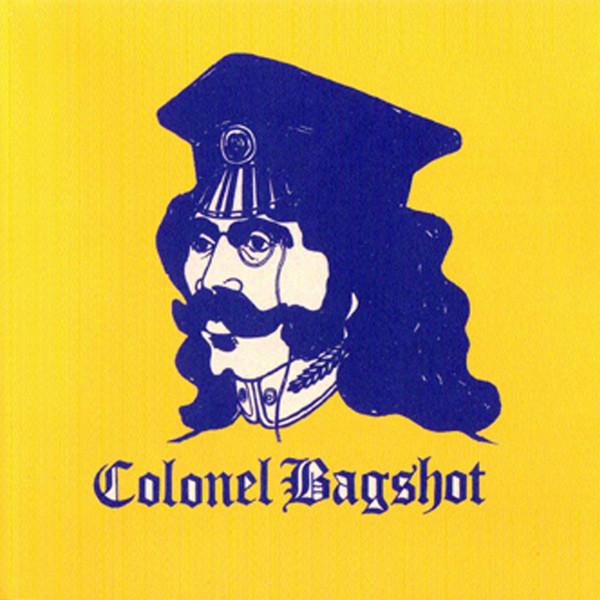
Colonel Bagshot
Colonel Bagshot was a Liverpool band that released one album in 1971 — Oh! What a Lovely War, on Cadet Concept, a subsidiary of Chess Records — and then disappeared. Weirder still: in 1971 the album wasn't released in the UK at all. It went out only in the US, Italy, and Japan. "Six Day War" is the opening track. The lyrics are about how easy it is to start a war and how hard it is to stop one. The arrangement is haunted and strange — part folk, part psych rock, with a buzzing electronic sound somewhere in the mix that might be a stylophone (a tiny battery-powered synth the size of a calculator that was popular in early-seventies England). Vocals by Ken Parry, words by Brian Farrell. Parry's voice is fragile on the recording. Farrell's lyric weighs more than the arrangement carrying it.
Then in 2002, an American crate-digger named DJ Shadow found the vinyl in a record shop, sampled Parry's voice, and built a new song around it — "Six Days," released on his album The Private Press. The music video was directed by Wong Kar-wai, the Hong Kong filmmaker behind In the Mood for Love — the two of them turned out to be mutual fans. Then in 2018, a Turkish-German producer named Mahmut Orhan remixed it again. Then Pusha T sampled it on "Just So You Remember" from his 2022 album It's Almost Dry. One Liverpool song. Five decades. Five countries. An anti-war lament that nobody could keep quiet.
Colonel Bagshot era una banda de Liverpool que sacó un solo álbum en 1971 — Oh! What a Lovely War, en Cadet Concept, sello subsidiario de Chess Records — y después desapareció. Más extraño todavía: en 1971 el álbum no se publicó en el Reino Unido. Salió solo en Estados Unidos, Italia y Japón. "Six Day War" es la canción que abre el disco. La letra habla de lo fácil que es empezar una guerra y de lo difícil que es detenerla. El arreglo es fantasmal y extraño — medio folk, medio psych rock, con un sonido electrónico zumbando en algún lugar de la mezcla que podría ser un estilófono (un mini sintetizador a pilas del tamaño de una calculadora, popular en la Inglaterra de los setenta). Voz de Ken Parry, letra de Brian Farrell. La voz de Parry es frágil en la grabación. La letra de Farrell pesa más que el arreglo que la lleva.
Después, en 2002, un coleccionista de vinilos estadounidense llamado DJ Shadow encontró el disco en una tienda, sampleó la voz de Parry, y construyó una canción nueva alrededor de ella — "Six Days," en su álbum The Private Press. El video musical fue dirigido por Wong Kar-wai, el cineasta hongkonés detrás de In the Mood for Love — resultó que los dos eran admiradores mutuos. Luego, en 2018, un productor turco-alemán llamado Mahmut Orhan la remezcló otra vez. Después, Pusha T la sampleó en "Just So You Remember" de su álbum It's Almost Dry de 2022. Una canción de Liverpool. Cinco décadas. Cinco países. Un lamento anti-guerra que nadie pudo silenciar.
Al-Qasar ft. Sibel
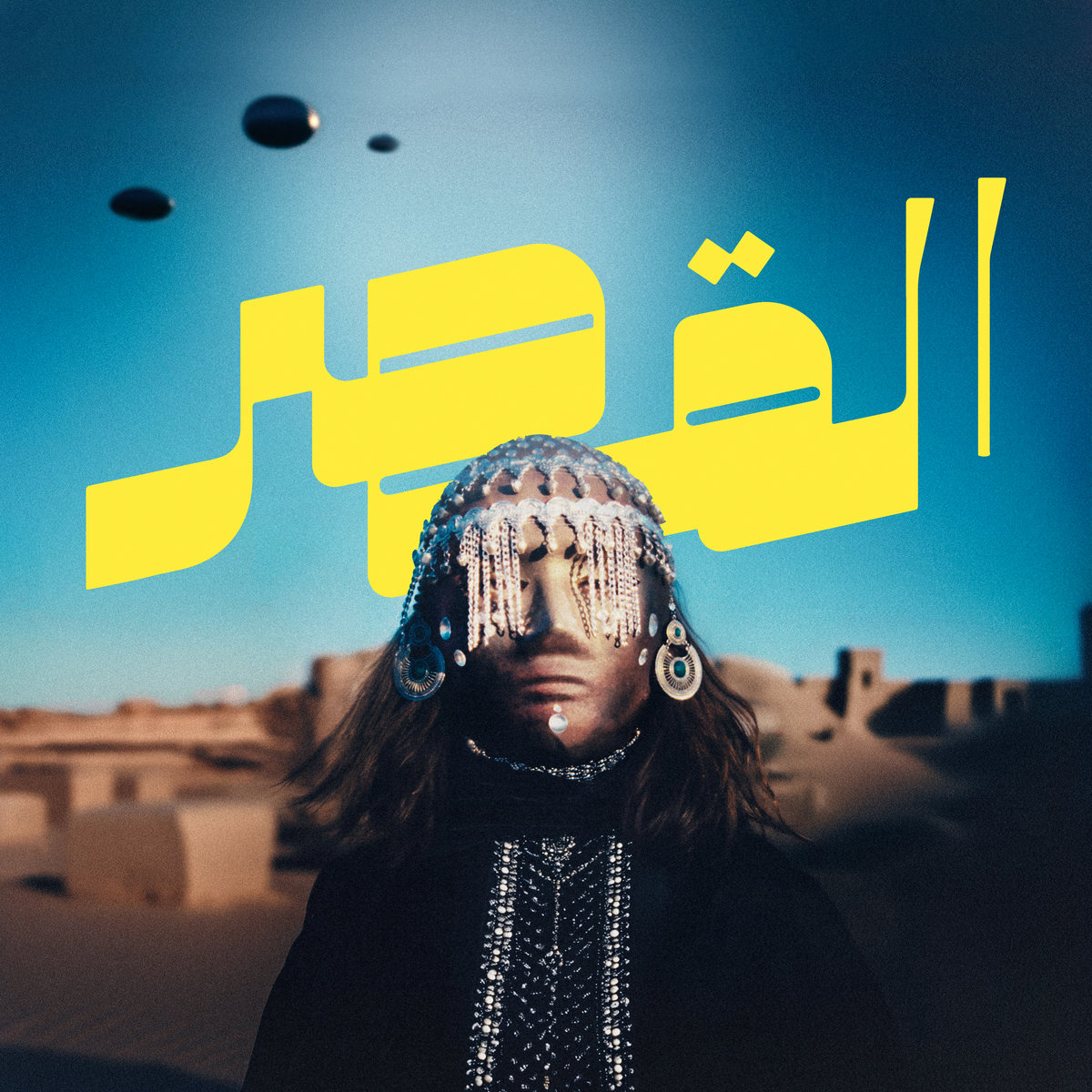
Al-Qasar is a Paris-based collective that calls its sound "Arabian Fuzz." The band was born in the Barbès neighborhood — a historically Algerian quarter of Paris and one of the most multicultural blocks in Europe. Their leader is Thomas Attar Bellier, French-born, who spent years in the Los Angeles psych-rock scene before coming back to Paris and starting a project that would reflect what those cities actually sound and look like.
"Kişisel İsa" — Turkish for "Personal Jesus" — is from their 2024 album Uncovered, a set of covers and originals built from the Western and Arabic repertoires. The iconic Depeche Mode riffs are performed on electric saz, a Turkish stringed instrument. The lyrics are in Turkish, delivered by breakthrough Turkish vocalist Sibel. It was mixed by Matt Hyde — a Grammy winner whose resume includes Slayer and the Deftones.
Bellier has a philosophy that stayed with us. He named the band Al-Qasar after the palaces Muslims built on the Iberian Peninsula, and he talks about the mosque of Córdoba the way a cartographer talks about a layered map — Roman, Christian, Islamic, all in the same building. "That's not theft," he says. "That's what culture does. Purity is an illusion."
Al-Qasar es un colectivo radicado en París que llama a su sonido "Arabian Fuzz." La banda nació en el barrio de Barbès — un barrio históricamente argelino de París y uno de los espacios más multiculturales de Europa. Su líder es Thomas Attar Bellier, francés de nacimiento, que pasó años en la escena psych rock de Los Ángeles antes de regresar a París y fundar un proyecto que reflejara cómo suenan y se ven esas ciudades en realidad.
"Kişisel İsa" — "Jesús Personal" en turco — es del álbum Uncovered de 2024, un conjunto de versiones y originales construido desde los repertorios occidental y árabe. Los icónicos riffs de Depeche Mode se tocan en saz eléctrico, un instrumento de cuerda tradicional turco. La letra está en turco, entregada por la cantante turca emergente Sibel. La mezcla estuvo a cargo de Matt Hyde — un ganador de Grammy cuya trayectoria incluye trabajos con Slayer y Deftones.
Bellier tiene una filosofía que se nos quedó grabada. Nombró la banda Al-Qasar por los palacios que los musulmanes construyeron en la Península Ibérica, y habla de la mezquita de Córdoba como un cartógrafo habla de un mapa en capas — romano, cristiano, islámico, todo en el mismo edificio. "Eso no es robo," dice. "Eso es lo que hace la cultura. La pureza es una ilusión."
Khruangbin
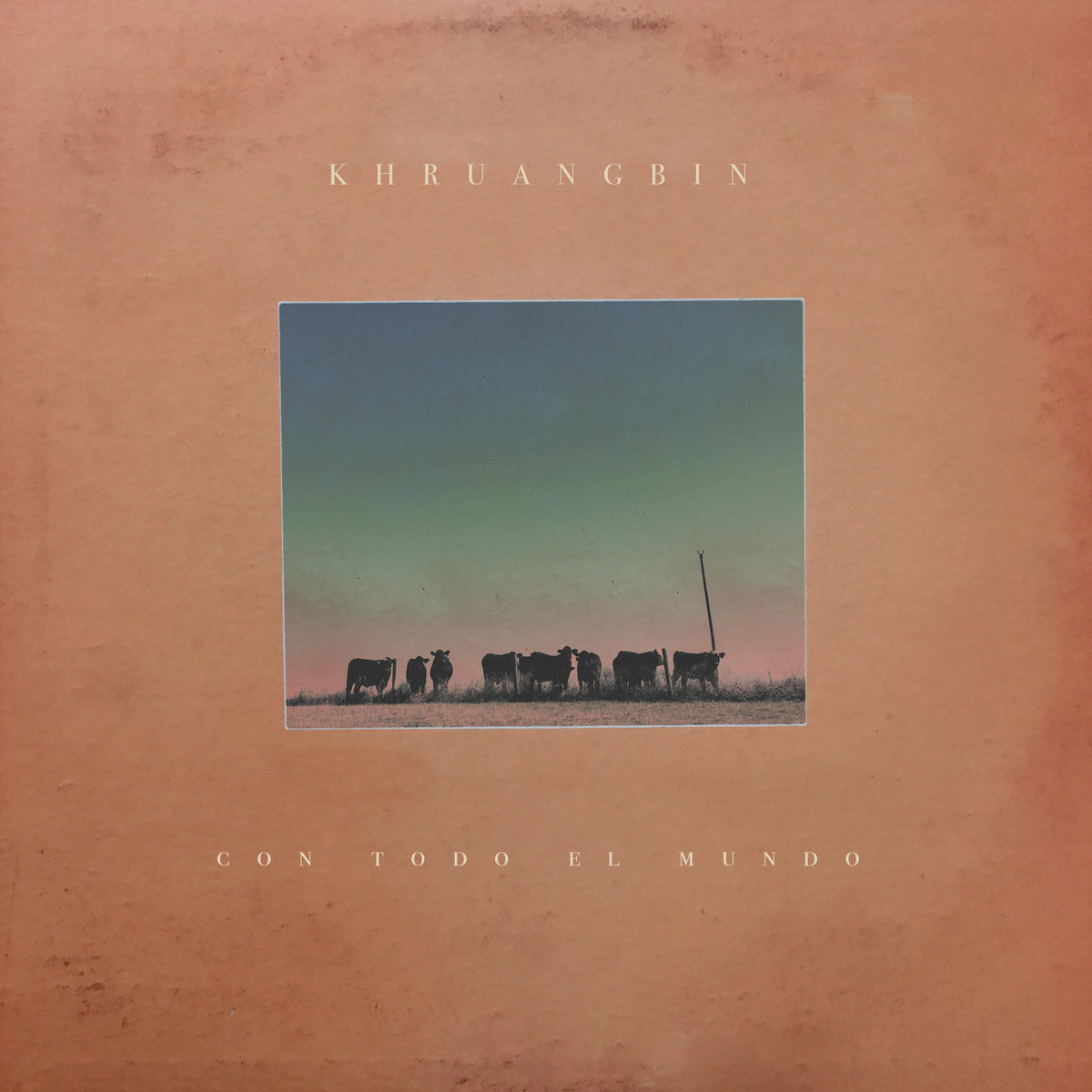
Khruangbin is three people — Laura Lee Ochoa on bass, Mark Speer on guitar, Donald "DJ" Johnson on drums. The name is Thai; it means "airplane." Speer and Johnson met playing in a Houston church gospel band — St. John's United Methodist downtown — where Speer played guitar and Johnson played organ. When Khruangbin formed in 2010, Johnson moved to drums. That origin matters: his hands know keyboard time, and you can feel it in how the band's rhythm section breathes. Ochoa joined them through a mutual friend in 2007 and learned bass to tour with Speer in Yppah. They record in a barn in Burton, Texas — population 298, no cell signal, lots of cows. Their first album was inspired by 1960s Thai funk cassettes. Con Todo El Mundo — their sophomore album — drew from Iran, the Middle East, and the Mediterranean. The title comes from Laura Lee's Mexican-American grandfather, who would ask her "¿Cómo me quieres?" — how much do you love me? — and the only answer he'd accept was con todo el mundo. With all the world.
The music video for "Maria También" features vintage footage of Iranian women before the 1979 revolution — artists, singers, dancers who had been exiled or silenced. And then there's the detail that makes the whole band make sense: drummer DJ Johnson is also half of a Houston hip-hop production duo called Beanz N Kornbread. He's made beats for Paul Wall and Slim Thug. The breakbeats he plays in Khruangbin are the same rhythms that birthed hip-hop. Houston church gospel. Thai funk. Iranian pop. Mexican-American love. Hip-hop breakbeats. In a barn. Three people.
Khruangbin son tres personas — Laura Lee Ochoa en el bajo, Mark Speer en la guitarra, Donald "DJ" Johnson en la batería. El nombre es tailandés; significa "avión." Speer y Johnson se conocieron tocando en la banda de gospel de una iglesia de Houston — St. John's United Methodist, en el centro — donde Speer tocaba guitarra y Johnson tocaba el órgano. Cuando Khruangbin se formó en 2010, Johnson se pasó a la batería. Ese origen importa: sus manos conocen el tiempo del teclado, y se siente en cómo respira la sección rítmica de la banda. Ochoa se les unió a través de un amigo en común en 2007, y aprendió a tocar el bajo para salir de gira con Speer en Yppah. Graban en un granero en Burton, Texas — población 298, sin señal de celular, muchas vacas. Su primer disco se inspiró en casetes de funk tailandés de los años sesenta. Con Todo El Mundo — su segundo álbum — se nutrió de Irán, el Medio Oriente y el Mediterráneo. El título viene del abuelo mexicoamericano de Laura Lee, que le preguntaba "¿Cómo me quieres?" — y la única respuesta que aceptaba era con todo el mundo.
El video de "Maria También" muestra imágenes vintage de mujeres iraníes antes de la revolución de 1979 — artistas, cantantes, bailarinas que fueron exiliadas o silenciadas. Y después está el detalle que hace que toda la banda tenga sentido: el baterista, DJ Johnson, también es mitad de un dúo de producción de hip-hop de Houston llamado Beanz N Kornbread. Ha hecho beats para Paul Wall y Slim Thug. Los breakbeats que toca en Khruangbin son los mismos ritmos que parieron el hip-hop. Gospel de iglesia de Houston. Funk tailandés. Pop iraní. Amor mexicoamericano. Breakbeats de hip-hop. En un granero. Tres personas.
The Arrival La Llegada

Common
Common is Lonnie Rashid Lynn Jr., from Chicago. One of hip-hop's most literary voices. Three decades of albums. Grammy, Oscar, Golden Globe. He's known for conscious, introspective rap — for long lines, careful syntax, and songs that think out loud.
Universal Mind Control — the 2008 album — was a deliberate pivot. Common handed the keys to The Neptunes, Pharrell Williams and Chad Hugo from Virginia Beach, and told them to take him somewhere he'd never been. The title track is electro-funk built from a 1982 Bronx template — a record that looped Kraftwerk through a TR-808 drum machine and basically invented the genre. Common took that DNA and handed it to producers who grew up shaping hit records, and what came out was both a tribute to the past and a swerve from where Common usually lived. The album dropped in December 2008, a month after Barack Obama — another Chicagoan — was elected president. A conscious rapper choosing the dancefloor. That's its own kind of between worlds.
Common es Lonnie Rashid Lynn Jr., de Chicago. Una de las voces más literarias del hip-hop. Tres décadas de discos. Grammy, Óscar, Golden Globe. Es conocido por un rap consciente e introspectivo — por líneas largas, sintaxis cuidada, y canciones que piensan en voz alta.
Universal Mind Control — el álbum de 2008 — fue un giro deliberado. Common le entregó las llaves a The Neptunes, Pharrell Williams y Chad Hugo de Virginia Beach, y les dijo que lo llevaran a un lugar donde nunca había estado. El track que abre el disco es electro-funk construido desde una plantilla del Bronx de 1982 — un disco que pasó a Kraftwerk por una caja de ritmos TR-808 y básicamente inventó el género. Common tomó ese ADN y se lo entregó a productores que crecieron moldeando discos de éxito, y lo que salió fue a la vez un homenaje al pasado y un desvío del lugar donde Common solía vivir. El álbum salió en diciembre de 2008, un mes después de que Barack Obama — otro chicagüense — fuera elegido presidente. Un rapero consciente eligiendo la pista de baile. Ese es su propio tipo de entre mundos.
Jungle By Night
Jungle By Night is nine musicians from Amsterdam. Afrobeat, krautrock, jazz, and dance music — all at once, all instrumental. They've been at it since 2009, when they were teenagers recording their first EP in an old cheese warehouse in the Dutch countryside with analog equipment and vintage instruments. Their philosophy, in their own words: "Music should be warm, vibrant, soul- and colorful."
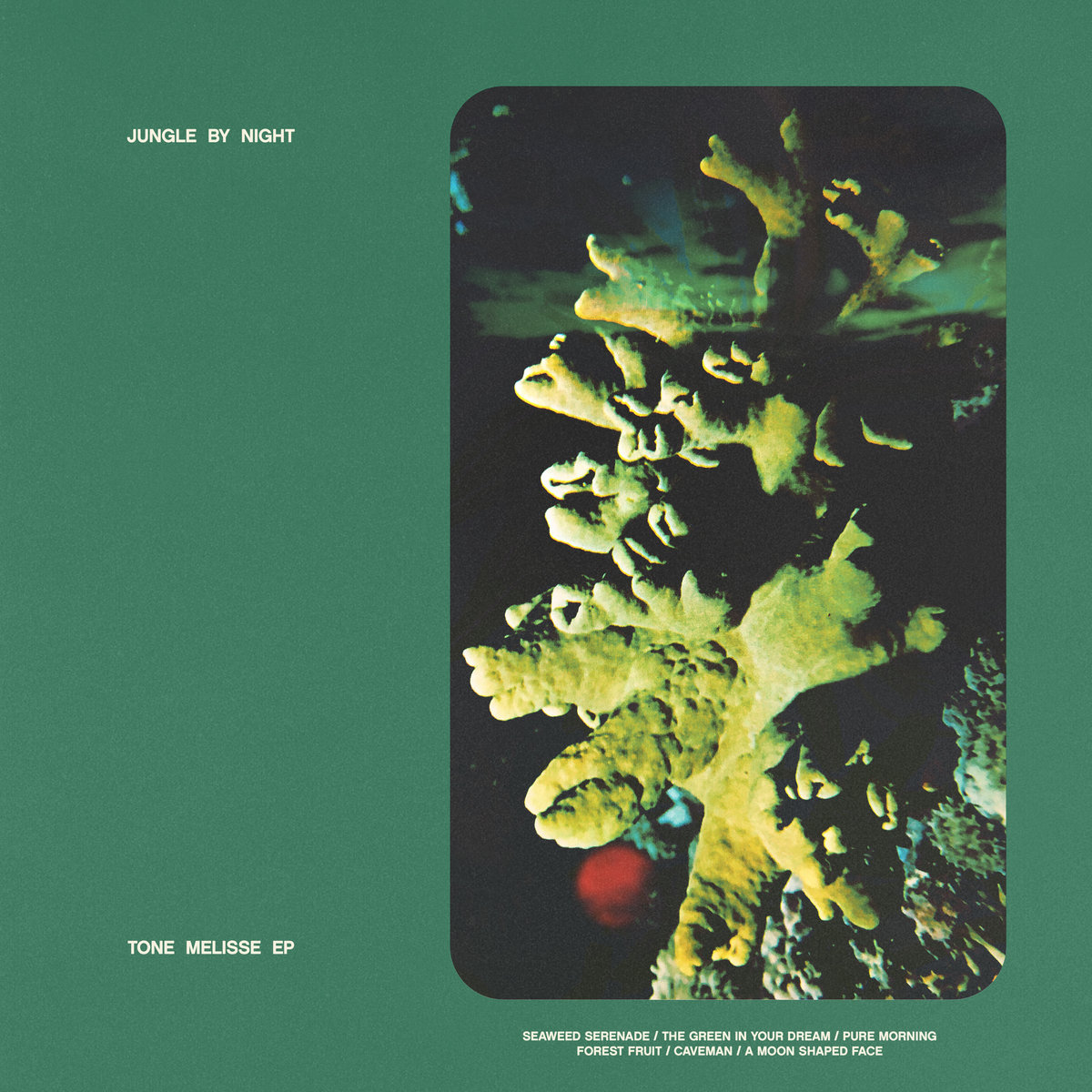
"A Moon Shaped Face" is from the Tone Melisse EP, released in March 2024 on V2 Records — a six-track collection that continues a catalog stretching back fifteen years. Nine Dutch musicians translating Lagos through Amsterdam. A brass section that carries West African grammar through European improvisation. The in-between, with horns.
Jungle By Night son nueve músicos de Ámsterdam. Afrobeat, krautrock, jazz y música de baile — todo al mismo tiempo, todo instrumental. Llevan en esto desde 2009, cuando eran adolescentes grabando su primer EP en un viejo almacén de queso en el campo holandés con equipo analógico e instrumentos vintage. Su filosofía, en sus propias palabras: "La música debería ser cálida, vibrante, con alma y color."
"A Moon Shaped Face" es del Tone Melisse EP, publicado en marzo de 2024 por V2 Records — una colección de seis canciones que continúa un catálogo de quince años. Nueve músicos holandeses traduciendo Lagos a través de Ámsterdam. Una sección de metales que encuentra la gramática de África Occidental dentro de la improvisación europea. El entre mundos, con metales.
Amadou & Mariam feat. Manu Chao
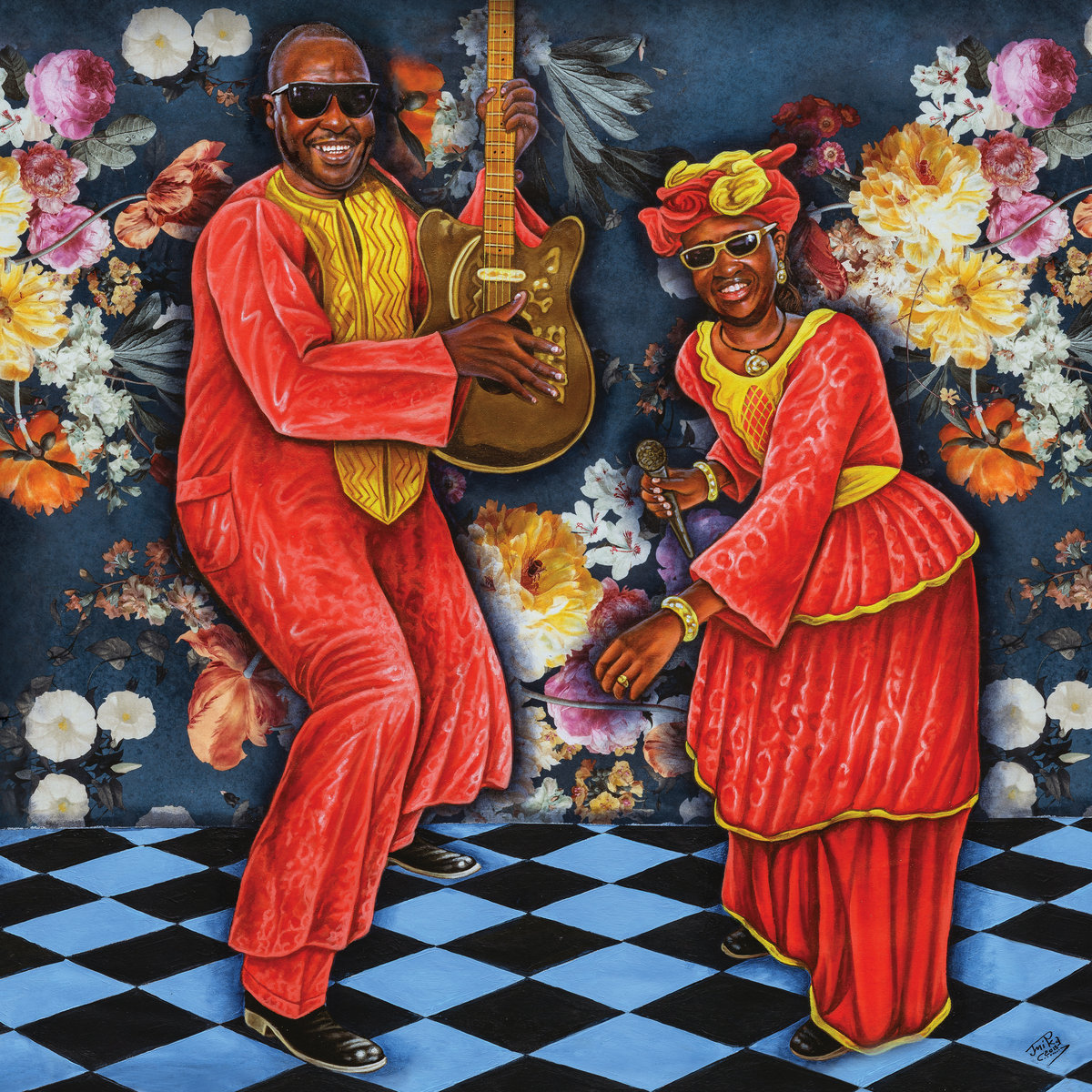
Amadou Bagayoko and Mariam Doumbia met in 1975 at the Bamako Institute for the Young Blind, in Mali. Both were blind. Amadou was already a gifted guitarist who would go on to play with one of Bamako's legendary ensembles. Mariam performed with other blind students in a band called Eclipse. They fell in love. They started making music together — cassettes mostly, sold in Mali and Ivory Coast throughout the eighties and nineties. Then they moved to Paris in 1996. Their lives changed.
A musician named Manu Chao — born in Paris to Spanish parents, raised between cultures, the man behind Clandestino, one of the most important world music records ever made — traveled to Bamako and produced their album Dimanche à Bamako. Sunday in Bamako. It broke everything open. "Sénégal Fast Food" is what five in the morning in Dakar sounds like when three continents are in the same room.
In September 2024 they released a career-spanning compilation called La Vie Est Belle, and two days later they performed at the Paris Paralympic Closing Ceremony — two blind musicians from Bamako, accompanied by a string quartet, singing Serge Gainsbourg's "Je suis venu te dire que je m'en vais" as the flame went out. Between Mali, France, and Senegal. Between sight and sound. Between the street and the stage. That's how we ended the night.
Amadou Bagayoko died in April 2025, seven months after the Paralympic performance. He was seventy.
Amadou Bagayoko y Mariam Doumbia se conocieron en 1975 en el Instituto para Jóvenes Ciegos de Bamako, en Malí. Ambos eran ciegos. Amadou ya era un guitarrista dotado que llegaría a tocar con uno de los ensambles legendarios de Bamako. Mariam actuaba con otros estudiantes ciegos en una banda llamada Eclipse. Se enamoraron. Empezaron a hacer música juntos — casetes sobre todo, vendidos en Malí y Costa de Marfil a lo largo de los ochenta y noventa. Después se mudaron a París en 1996. Sus vidas cambiaron.
Un músico llamado Manu Chao — nacido en París de padres españoles, criado entre culturas, el hombre detrás de Clandestino, uno de los discos de world music más importantes de la historia — viajó a Bamako y produjo su álbum Dimanche à Bamako. Domingo en Bamako. Lo cambió todo. "Sénégal Fast Food" es a lo que suenan las cinco de la mañana en Dakar cuando tres continentes están en la misma sala.
En septiembre de 2024 lanzaron una compilación que abarcaba toda su carrera, llamada La Vie Est Belle, y dos días después se presentaron en la Ceremonia de Clausura de los Paralímpicos de París — dos músicos ciegos de Bamako, acompañados por un cuarteto de cuerdas, cantando "Je suis venu te dire que je m'en vais" de Serge Gainsbourg mientras la llama se apagaba. Entre Malí, Francia y Senegal. Entre la vista y el sonido. Entre la calle y el escenario. Así cerramos la noche.
Amadou Bagayoko murió en abril de 2025, siete meses después de la actuación paralímpica. Tenía setenta años.
A word on streaming and the artists we love: not all streams are equal. A single Qobuz stream pays an independent artist roughly 5 to 7 times what a Spotify stream does. If the music we share moves you, where you listen matters almost as much as whether you listen. Choose the platform that pays the people behind the sound. Una nota sobre el streaming y los artistas que amamos: no todos los streams son iguales. Un solo stream en Qobuz le paga a un artista independiente entre 5 y 7 veces más que uno en Spotify. Si la música que compartimos te mueve, dónde la escuchas importa casi tanto como si la escuchas. Elige la plataforma que paga a la gente detrás del sonido.