Bitácora de Mayo
Diez entradas. Una conversación entre lo ancestral y lo nuevo.
Abro la bitácora de mayo y me encuentro con diez historias que no se conocen entre sí — y aún así, dicen lo mismo. Todas parten de la misma pregunta: ¿qué pasa cuando tomas algo ancestral y lo metes en algo nuevo? A veces sale un terremoto. A veces sale una canción.
ESCUCHA EN MIXCLOUD
Apoyamos a los artistas que programamos en este episodio y creemos en una industria musical justa. MixCloud les paga regalías por cada reproducción — al escuchar aquí, apoyas su trabajo.
AÑADE LAS CANCIONES DE ESTE EPISODIO A TU PLAYLIST


01 · Lo Que Llegó Esta Semana
01 · Lo Que Llegó Esta Semana
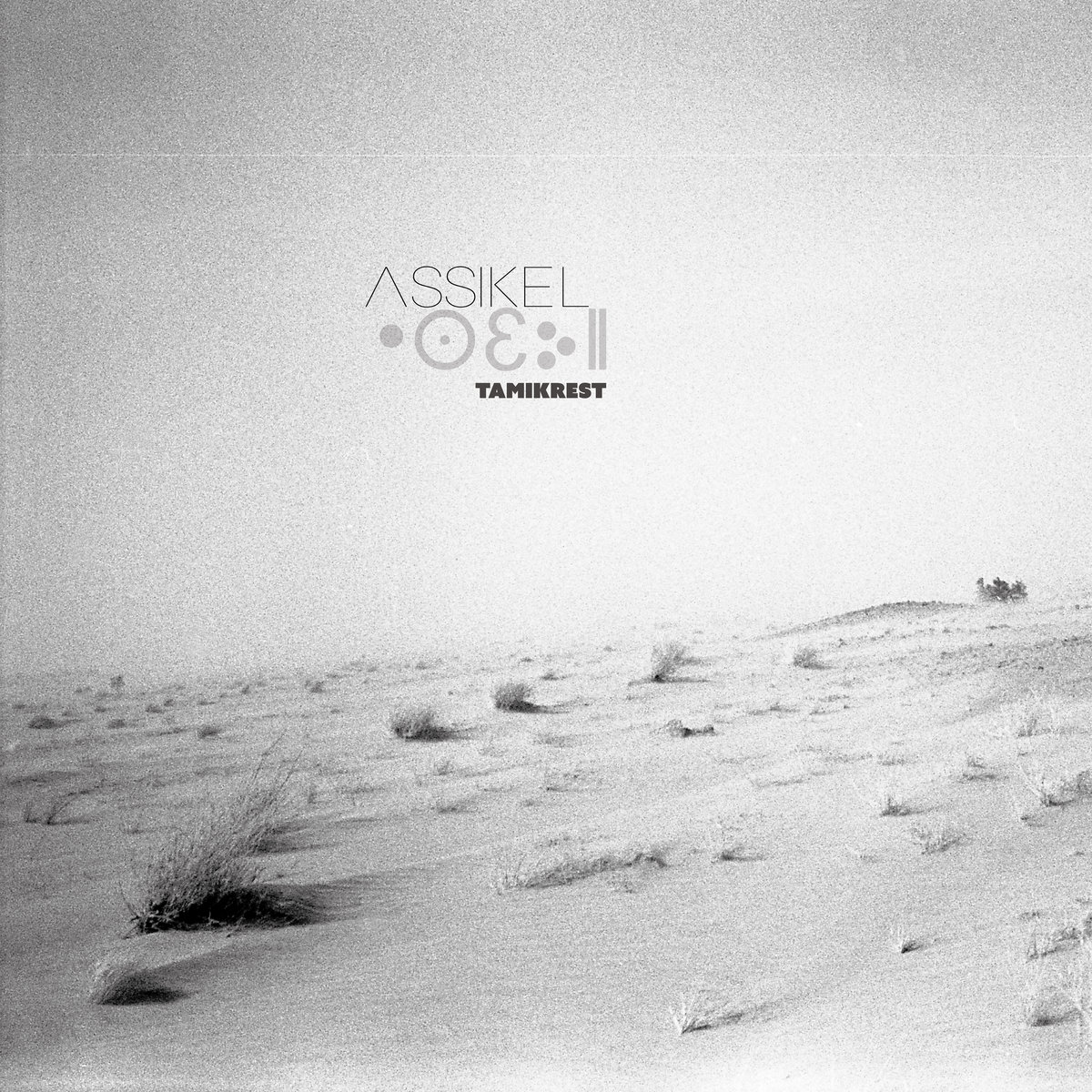
Tamikrest — "Imanin" (Assikel, 2026)
Sexto álbum. La banda lo grabó en los Países Bajos, en una sola toma, sobre cinta analógica de los años sesenta. Sin overdubs. Cuatro músicos kel tamasheq tocando como un solo organismo, con Chris Eckman en la producción.
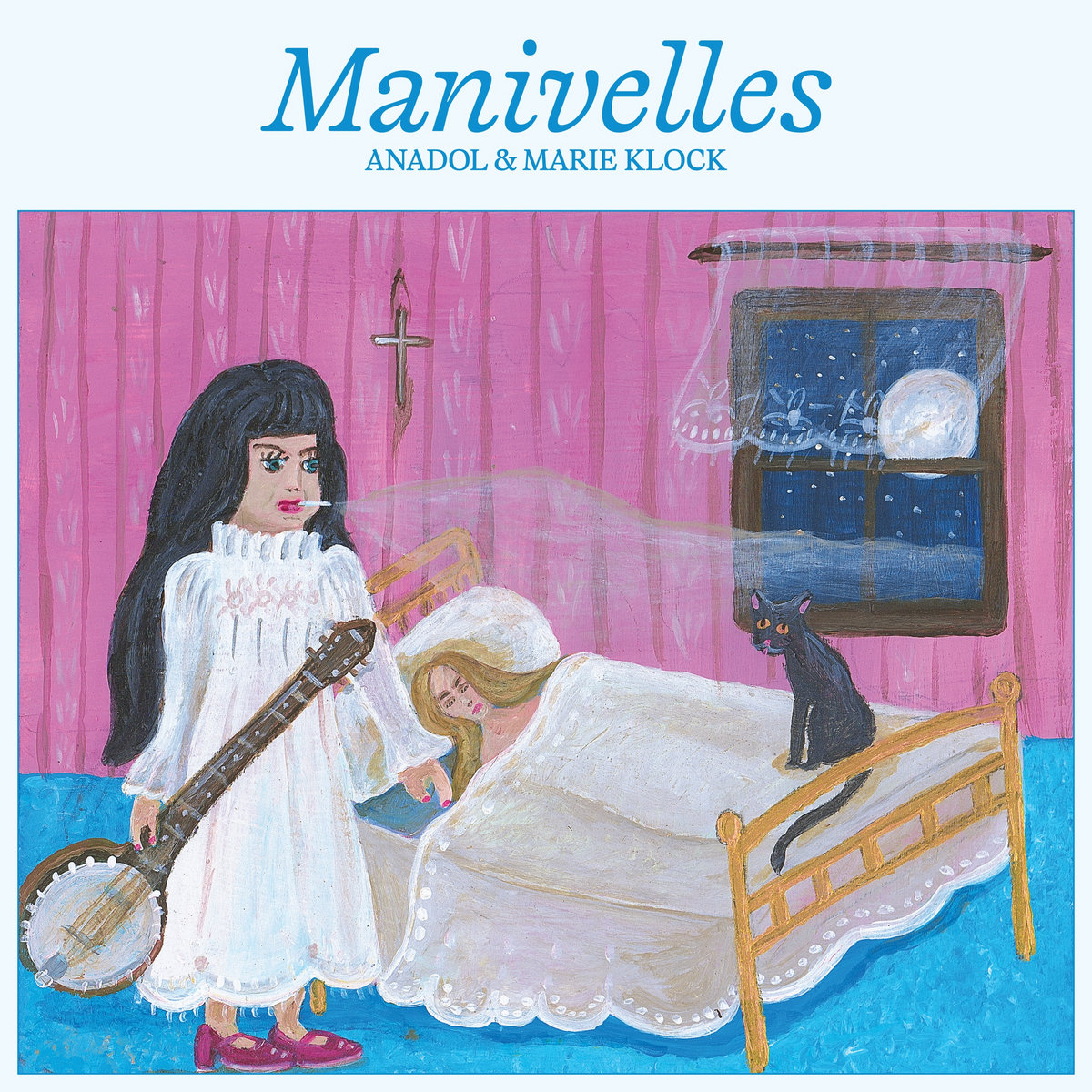
Anadol & Marie Klock — "Magnitude 6.3" (Manivelles, 2026)
Una mañana de abril en Estambul, un terremoto de 6.3 alcanzó a Marie Klock en mitad de un pedicure. Terminó el segundo pie. Llamó a Gözen Atila — Anadol. Pasaron el día tomando té. De ese día salió esta canción.
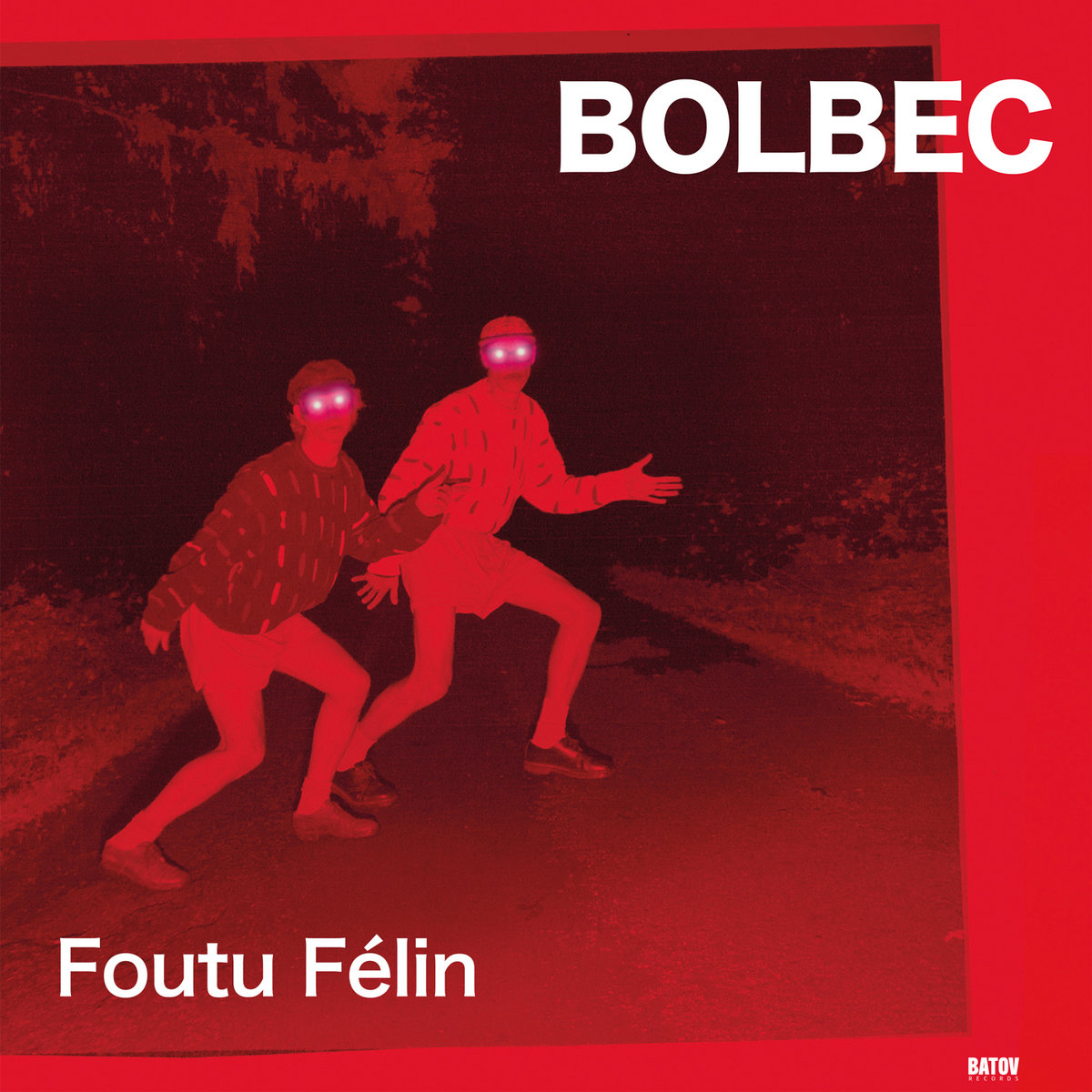
Bolbec — "Le Prof de Gong" (Foutu Félin, 2026)
Axel Concato y Barthélémy Corbelet, desde Normandía, en su segundo álbum para Batov. Grabaron en The Fishmarket, en Londres. Dos minutos siete segundos — el tema más corto del episodio. Guitarra, banjo, piano y voz en scat: música de biblioteca para una película que no existe.
Tamikrest — "Imanin" (Assikel, 2026)
Sixth album. The band recorded it in the Netherlands in one take, onto 1960s analogue tape. No overdubs. Four Kel Tamasheq musicians playing as one organism, with Chris Eckman producing.
Anadol & Marie Klock — "Magnitude 6.3" (Manivelles, 2026)
One April morning in Istanbul, a magnitude 6.3 caught Marie Klock mid-pedicure. She finished the second foot. Called Gözen Atila — Anadol. They spent the day drinking tea. This song came out of that day.
Bolbec — "Le Prof de Gong" (Foutu Félin, 2026)
Axel Concato and Barthélémy Corbelet, from Normandy, second album on Batov. Recorded at The Fishmarket in London. Two minutes seven seconds — the shortest track on the episode. Guitar, banjo, piano, scat vocals: library music for a film that doesn't exist.
02 · El Sintetizador Como Instrumento Ancestral

02 · El Sintetizador Como Instrumento Ancestral
Sarnilo — "Bayabika" (Bayabika, 2026)
Nacida en Eswatini, madre malawiana, padre swazi. Su nombre verdadero es Chifunilo — "la voluntad de Dios." Canta en siswati y chichewa. La producción es de Salie Sousa en Ciudad del Cabo. "Bayabika" es una canción sobre la intuición — esa parte de ti que sabe antes que tú.
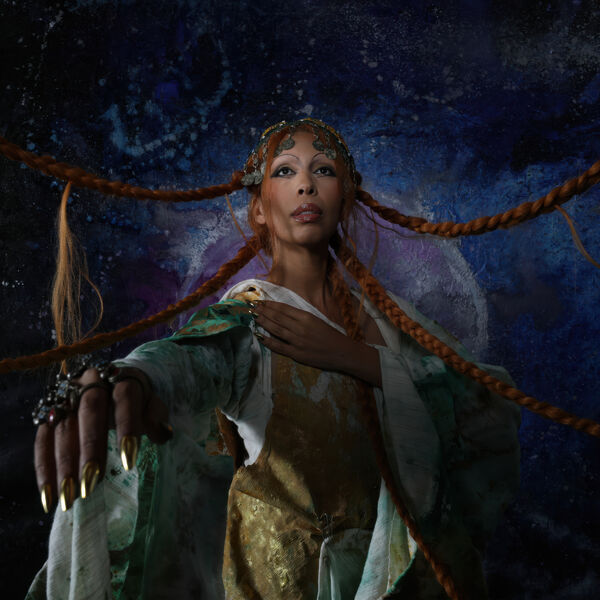
Ami Taf Ra ft. Kamasi Washington — "How I Became a Madman" (How I Became a Madman, 2025)
Nacida en Marruecos, nómada por Cairo, Estambul, Portugal, Ámsterdam, y ahora Los Ángeles. La gnawa — la música ceremonial de sanación del Magreb — está en el centro de todo lo que hace. Este sencillo viene del álbum The Prophet and The Madman (agosto 2025), producido en su totalidad por Kamasi Washington con el colectivo West Coast Get Down. El concepto viene de Khalil Gibran: El Loco, 1918; El Profeta, 1923.
Más sobre Ami Taf Ra
Su nombre real es Fatima Washington. Ami Taf Ra es el nombre artístico — la voz que viene cuando canta. Hija de la diáspora marroquí, ha vivido en El Cairo, Estambul, Portugal, Ámsterdam y ahora Los Ángeles. De cada ciudad se llevó un dialecto, una manera de cantar entre escalas árabes y occidentales sin elegir nunca un lado.
The Prophet and The Madman salió en agosto de 2025 en Brainfeeder — el sello de Flying Lotus, la familia del spiritual jazz contemporáneo que va de Kamasi Washington a Thundercat. Y aquí se cierra el círculo: el álbum lo produjo Kamasi mismo, que también es su esposo. Cinco años de trabajo durante la pandemia, sentados juntos con los textos del poeta libanés Khalil Gibran — El Profeta (1923), El Loco (1918). De ese encuentro salieron once canciones que mezclan gnawa marroquí, gospel y jazz espiritual. La voz de Ami se inscribe en una tradición que va de Fairuz a Umm Kulthum a Warda.
Lo que la distingue es el camino: ni EP, ni mixtape, ni acumulación lenta de público. Derechito al disco completo en Brainfeeder. Pitchfork lo calificó 7.5, Bandcamp lo nombró álbum del mes en octubre. Y mientras todo eso pasaba, ella estaba criando a Asha — su hija con Kamasi, a quien el disco está dedicado. Y eso es lo que late debajo del disco: el sueño que una madre le hereda a una hija, en sonido.
Francis Bebey — "Sanza Tristesse" (Psychedelic Zanzu 1982-1984, 2014)
Camerunés. Maestro de la sanza — el piano de pulgar, pariente del mbira. Su tesis: la sanza era la computadora de África — programable, modular, variación infinita. Murió el 28 de mayo de 2001. Veinticinco años justo, un día antes de que este episodio salga al aire.
Sarnilo — "Bayabika" (Bayabika, 2026)
Born in Eswatini, Malawian mother, Swazi father. Her real name is Chifunilo — "the will of God." She sings in SiSwati and Chichewa. Salie Sousa produced in Cape Town. "Bayabika" is a song about intuition — the part of you that knows before you do.
Ami Taf Ra ft. Kamasi Washington — "How I Became a Madman" (How I Became a Madman, 2025)
Born in Morocco, nomadic through Cairo, Istanbul, Portugal, Amsterdam, and now Los Angeles. Gnawa — the ceremonial healing music of the Maghreb — is at the center of everything she does. This single comes from the album The Prophet and The Madman (August 2025), produced start to finish by Kamasi Washington with the West Coast Get Down collective. The concept comes from Khalil Gibran: The Madman, 1918; The Prophet, 1923.
More on Ami Taf Ra
Her real name is Fatima Washington. Ami Taf Ra is the artist name — the voice that comes when she sings. Daughter of the Moroccan diaspora, she's lived in Cairo, Istanbul, Portugal, Amsterdam, and now Los Angeles. From each city she carried something: a dialect, a way of singing between Arabic and Western scales without ever picking a side.
The Prophet and The Madman came out in August 2025 on Brainfeeder — Flying Lotus's label, the contemporary spiritual jazz family that runs from Kamasi Washington through Thundercat. Here the circle closes: Kamasi produced the album himself, and he's also her husband. Five years of pandemic work, sitting together with the texts of the Lebanese poet Khalil Gibran — The Prophet (1923), The Madman (1918). Eleven songs came out of that encounter, folding Moroccan gnawa, gospel, and spiritual jazz into Ami's voice — a voice that writes itself into the lineage of Fairuz, Umm Kulthum, Warda.
What sets her apart is the path: no EP, no mixtape, no slow audience build. Straight to the full album on Brainfeeder. Pitchfork gave it 7.5, Bandcamp named it album of the month in October. And while all of that was happening, she was raising Asha — her daughter with Kamasi, to whom the record is dedicated. And that's what beats beneath the record: a mother's dream passing to her daughter, in sound.
Francis Bebey — "Sanza Tristesse" (Psychedelic Zanzu 1982-1984, 2014)
Cameroonian. Master of the sanza — the thumb piano, mbira cousin. His thesis: the sanza was Africa's computer — programmable, modular, infinite variation. He died on May 28, 2001. Twenty-five years exactly, one day before this episode airs.
03 · Geografías Cruzadas
03 · Geografías Cruzadas
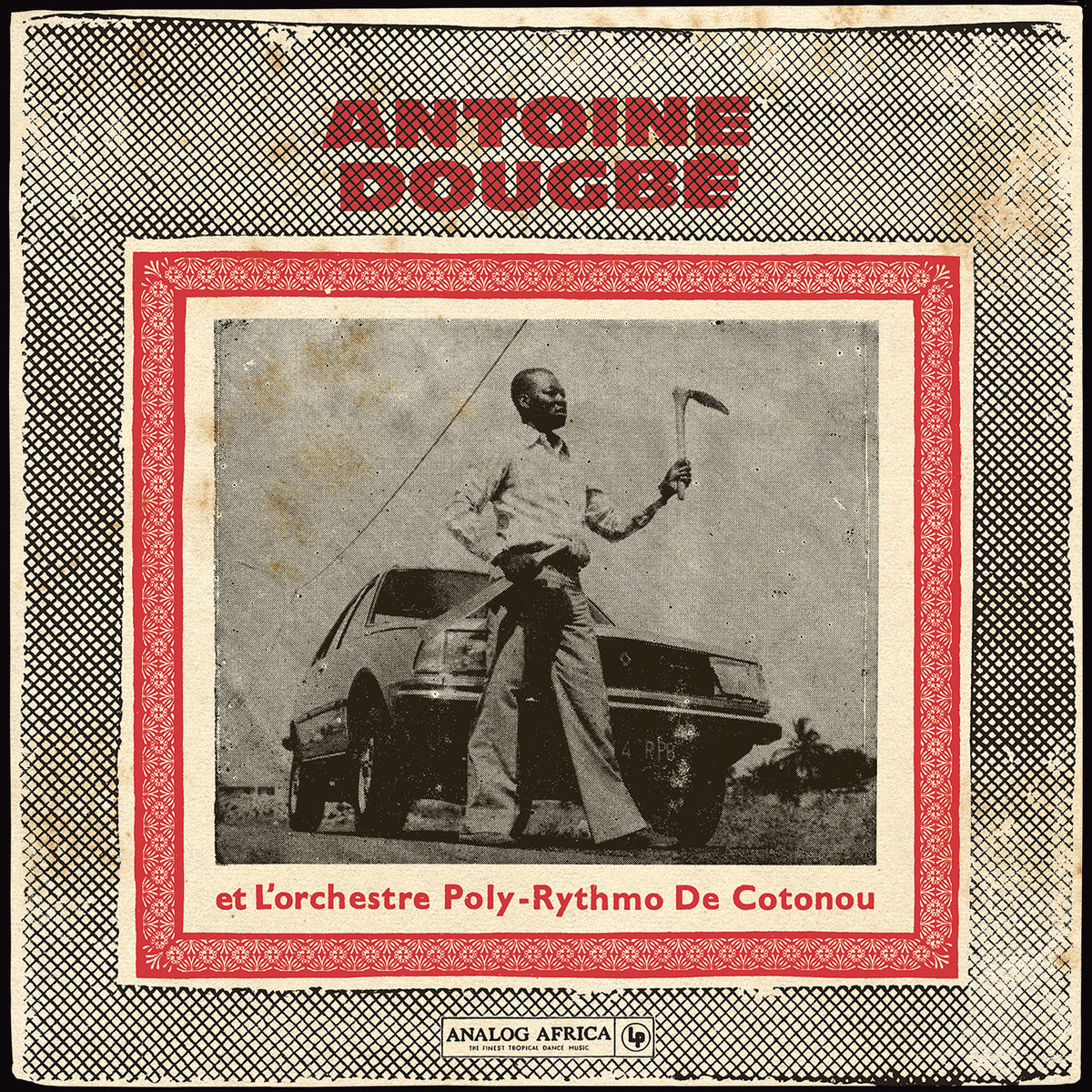
Antoine Dougbé / Orchestre Poly-Rythmo de Cotonou — "We Tayi Sin Assi Tche" (Antoine Dougbe et L'Orchestre Poly-Rythmo De Cotonou (Analog Africa No.44), 2026)
Iniciado en el Vodún beninés. Componía las canciones en su cabeza, pero nunca las cantó ni tocó: en el Vodún, el canto pertenece al ritual, no al disco. Inventó su propio género — Afro Cavacha — mezclando ritmos ceremoniales con rumba congoleña, son cubano y funk. Estas grabaciones son de 1977 a 1982, recuperadas por Analog Africa en su volumen 44.
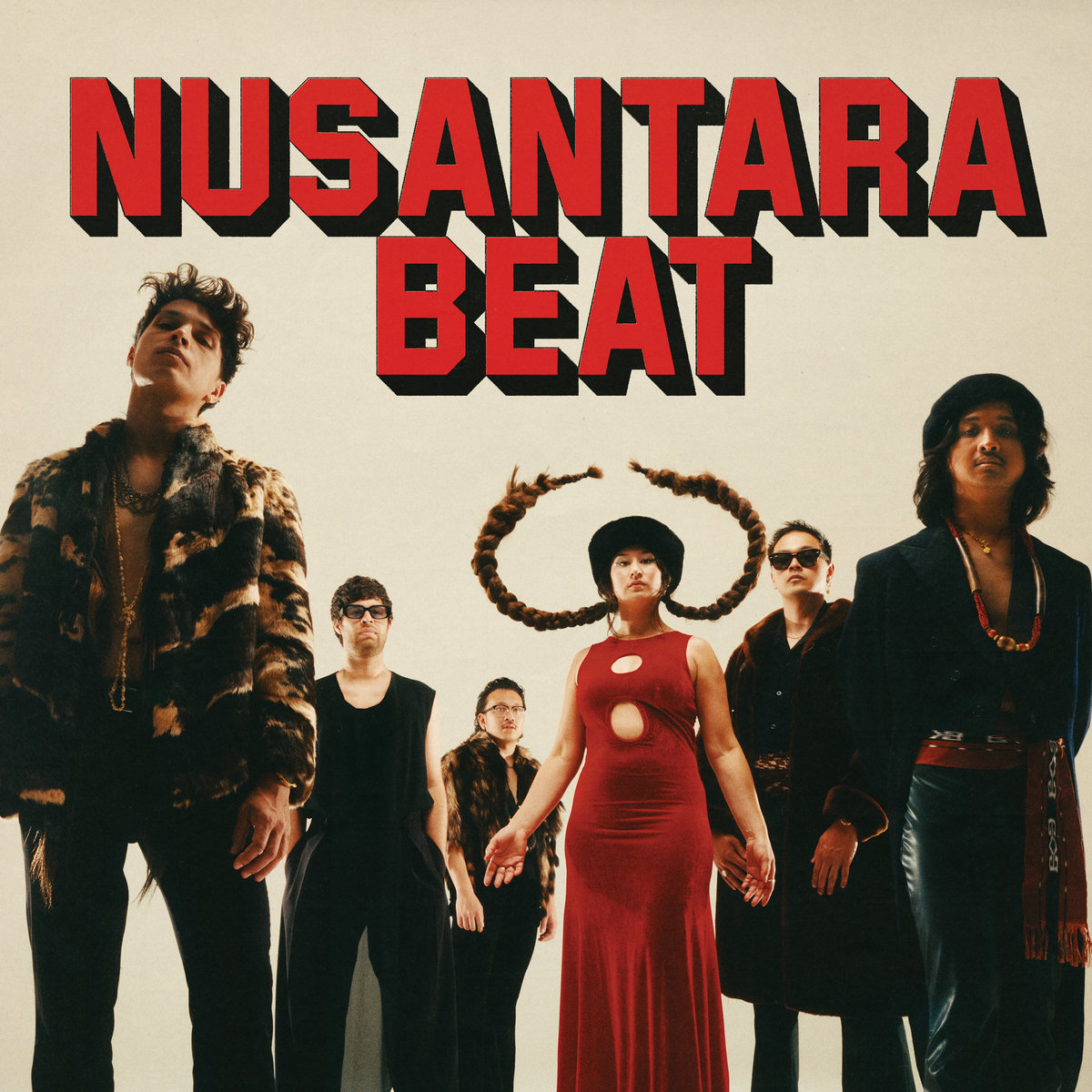
Nusantara Beat — "Tamat" (Nusantara Beat, 2025)
Seis músicos de herencia indonesia radicados en Ámsterdam, en Glitterbeat — el mismo sello que abrió el episodio. El percusionista Gino Groeneveld viene de Altın Gün, que sonó aquí en S02E04. "Nusantara" es el nombre ancestral del archipiélago indonesio; "tamat" quiere decir "fin." Gamelán, kacapi y gongs balineses pasando por sintetizadores y guitarras surf.
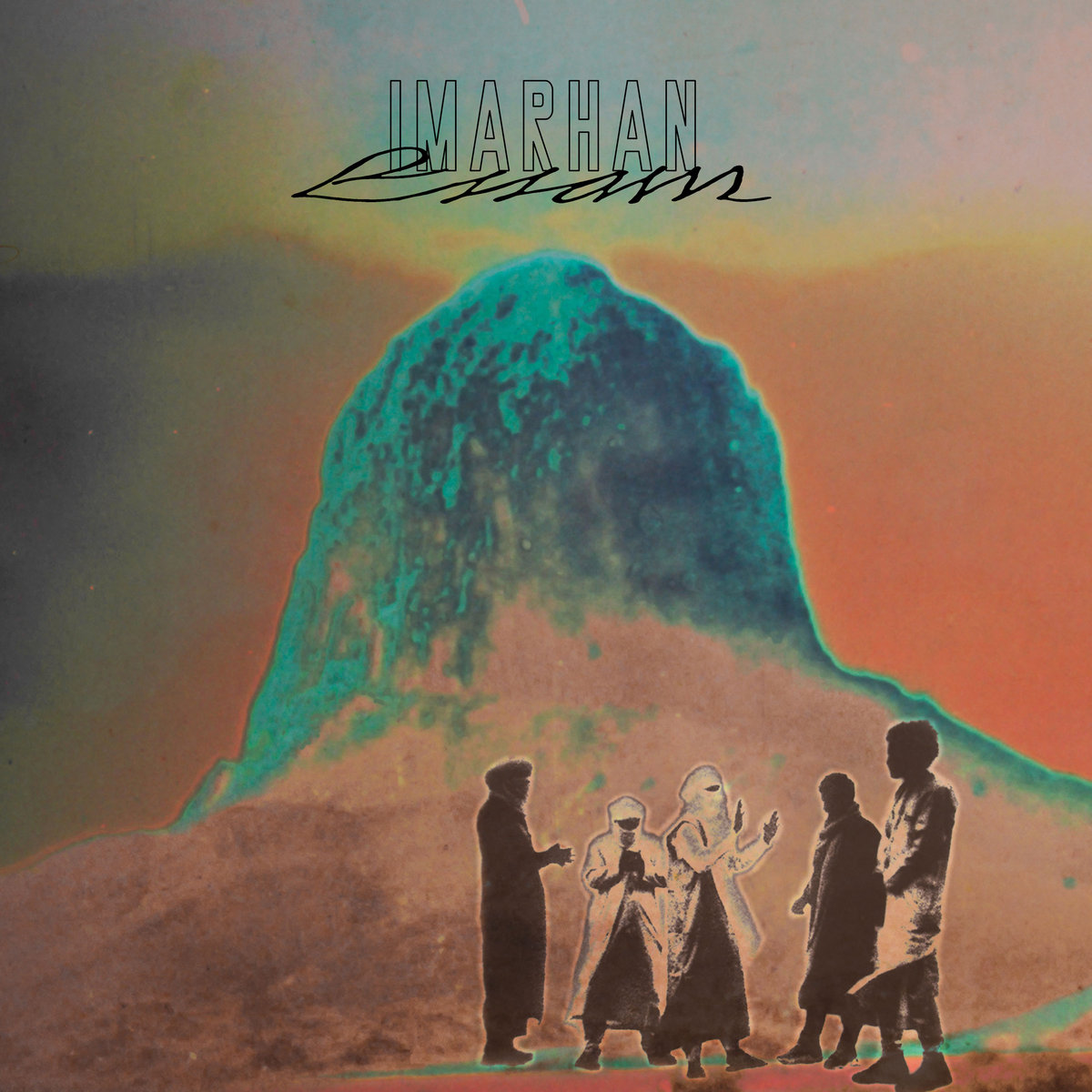
Imarhan — "Derhan N'Oulhine" (Essam, 2026)
Imarhan quiere decir "compañeros" en tamasheq. Su cuarto álbum, Essam, quiere decir "relámpago." Por primera vez en su historia, el productor Maxime Kosinetz trajo a Emile Papandreou — del dúo electrónico francés UTO — al estudio de la banda en Tamanrasset. La idea: tomar los instrumentos tuareg en vivo y devolverlos transformados en tiempo real, por un sintetizador modular, en la misma habitación.
Antoine Dougbé / Orchestre Poly-Rythmo de Cotonou — "We Tayi Sin Assi Tche" (Antoine Dougbe et L'Orchestre Poly-Rythmo De Cotonou (Analog Africa No.44), 2026)
Initiated in Beninese Vodún. He composed the songs in his head but never sang or played on his own recordings — in Vodún, voice belongs to ritual, not to records. He coined his own genre, Afro Cavacha, mixing ceremonial rhythms with Congolese rumba, Cuban son, and funk. These recordings are from 1977 to 1982, surfaced by Analog Africa for volume 44.
Nusantara Beat — "Tamat" (Nusantara Beat, 2025)
Six musicians of Indonesian heritage based in Amsterdam, on Glitterbeat — the same label that opened the episode. Percussionist Gino Groeneveld came from Altın Gün, who played on S02E04. "Nusantara" is the ancestral name for the Indonesian archipelago; "tamat" means "end." Gamelan, kacapi, and Balinese gongs running through synthesizers and surf guitars.
Imarhan — "Derhan N'Oulhine" (Essam, 2026)
Imarhan means "companions" in Tamasheq. Their fourth album, Essam, means "lightning." For the first time, producer Maxime Kosinetz brought in Emile Papandreou — from French electronic duo UTO — to the band's studio in Tamanrasset. The idea: take the Tuareg instruments live and return them transformed in real time, through a modular synthesizer, in the same room.
04 · Capstone
04 · Capstone
Doctor Nativo ft. Chavajay — "Chokolate Kakaw" (BarrioKandela, 2026)
Doctor Nativo es Juan Manuel Martínez, guatemalteco de raíces cubanas. Chavajay es un rapero maya que escribe en tz'utujil — una de las lenguas mayas vivas de Guatemala. La canción es un homenaje al cacao: alimento sagrado, medicina, centro de la ceremonia maya. Producción de Ivan Duran en Stonetree, el sello beliceño que lleva décadas cuidando las tradiciones musicales centroamericanas.
Doctor Nativo ft. Chavajay — "Chokolate Kakaw" (BarrioKandela, 2026)
Doctor Nativo is Juan Manuel Martínez, Guatemalan with Cuban roots. Chavajay is a Maya rapper who writes in Tz'utujil — one of the living Maya languages of Guatemala. The song honors cacao: sacred food, medicine, center of Maya ceremony. Ivan Duran produced at Stonetree, the Belizean label that has spent decades caring for the musical traditions of Central America.