Trance como Tecnología
De Karachi a Kingston · El loop como puerta, no como decoración
Durante siglos, culturas que rara vez se hablaron entre sí llegaron al mismo descubrimiento: que la repetición no es pobreza melódica — es una tecnología precisa para disolver el tiempo. El qawwali de Pakistán, el shaʿbī egipcio, la psicodelia persa, el krautrock alemán, el dub jamaiquino. Once artistas, cinco tradiciones, un mismo umbral — el loop como puerta, no como decoración.
▶ ESCUCHAR EPISODIO ▶ VER EN YOUTUBE ▶ PLAYLIST EN QOBUZ ▶ PLAYLIST EN TIDAL ▶ PLAYLIST EN SPOTIFY01 · La Puerta Sufi
01 · La Puerta Sufi
Nusrat Fateh Ali Khan & Michael Brook — "Mustt Mustt" (Mustt Mustt, 1990)
Peter Gabriel sugirió el encuentro. Nusrat, el gran maestro del qawwali, puesto en una sala con Michael Brook y su sensibilidad ambiental canadiense. El resultado no diluye la devoción sufí — la acerca a oídos occidentales sin traducirla. La letra viene del texto "Dama Dam Mast Qalandar," en honor al santo Lal Shahbaaz Qalandar. Massive Attack remezclaría esta canción el mismo año y la haría la primera en urdu en llegar a las listas británicas.
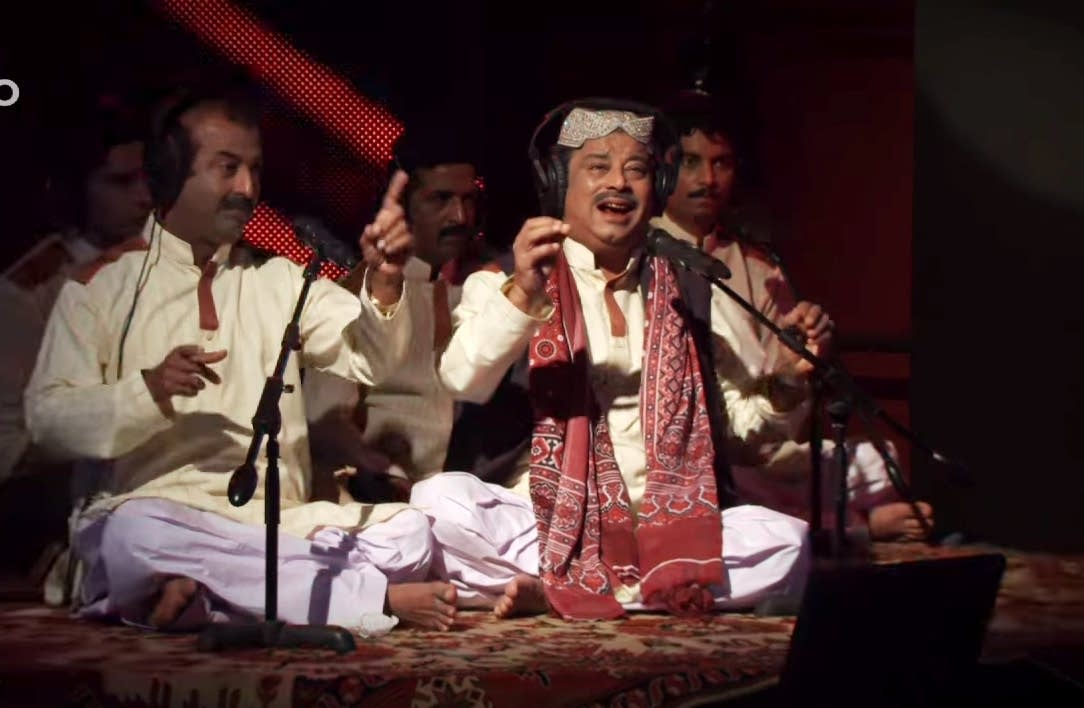
Fareed Ayaz & Abu Muhammad Qawwal — "Kangna" (The Reluctant Fundamentalist (OST), 2013)
Los hermanos Fareed Ayaz y Abu Muhammad son los portadores actuales del Qawwal Bacchon ka Gharana de Delhi — la escuela qawwali más antigua del subcontinente, con una línea de transmisión que se remonta a Amir Khusrau, siglo XIII. "Kangna" está construida sobre Raag Malkauns, considerado meditativo y sobrenatural en la teoría hindustani clásica, y sobre jhap-taal — un ciclo rítmico de diez beats. La versión aquí proviene del soundtrack del film The Reluctant Fundamentalist de Mira Nair; la interpretación original fue grabada para Coke Studio Pakistan en 2011.
Dos qawwalis distintos — uno fusionado, uno clásico — abriendo la misma puerta.
Nusrat Fateh Ali Khan & Michael Brook — "Mustt Mustt" (Mustt Mustt, 1990)
Peter Gabriel suggested the meeting. Nusrat, the great qawwali master, placed in a room with Michael Brook and his Canadian ambient sensibility. The result doesn't dilute Sufi devotion — it brings it closer to Western ears without translating it. The lyric comes from the Sufi text "Dama Dam Mast Qalandar," honoring the saint Lal Shahbaaz Qalandar. Massive Attack would remix this track the same year and make it the first Urdu-language song to hit the UK charts.
Fareed Ayaz & Abu Muhammad Qawwal — "Kangna" (The Reluctant Fundamentalist (OST), 2013)
The Fareed Ayaz and Abu Muhammad brothers are current torchbearers of Delhi's Qawwal Bacchon ka Gharana — the subcontinent's oldest qawwali school, a transmission line tracing back to Amir Khusrau in the thirteenth century. "Kangna" is built on Raag Malkauns, considered meditative and supernatural in Hindustani classical theory, over jhap-taal — a ten-beat rhythmic cycle. This version comes from the soundtrack to Mira Nair's The Reluctant Fundamentalist; the original performance was recorded for Coke Studio Pakistan in 2011.
Two qawwalis — one fused, one classical — opening the same door.
02 · El Shaʿbī y el Minimalista
02 · El Shaʿbī y el Minimalista
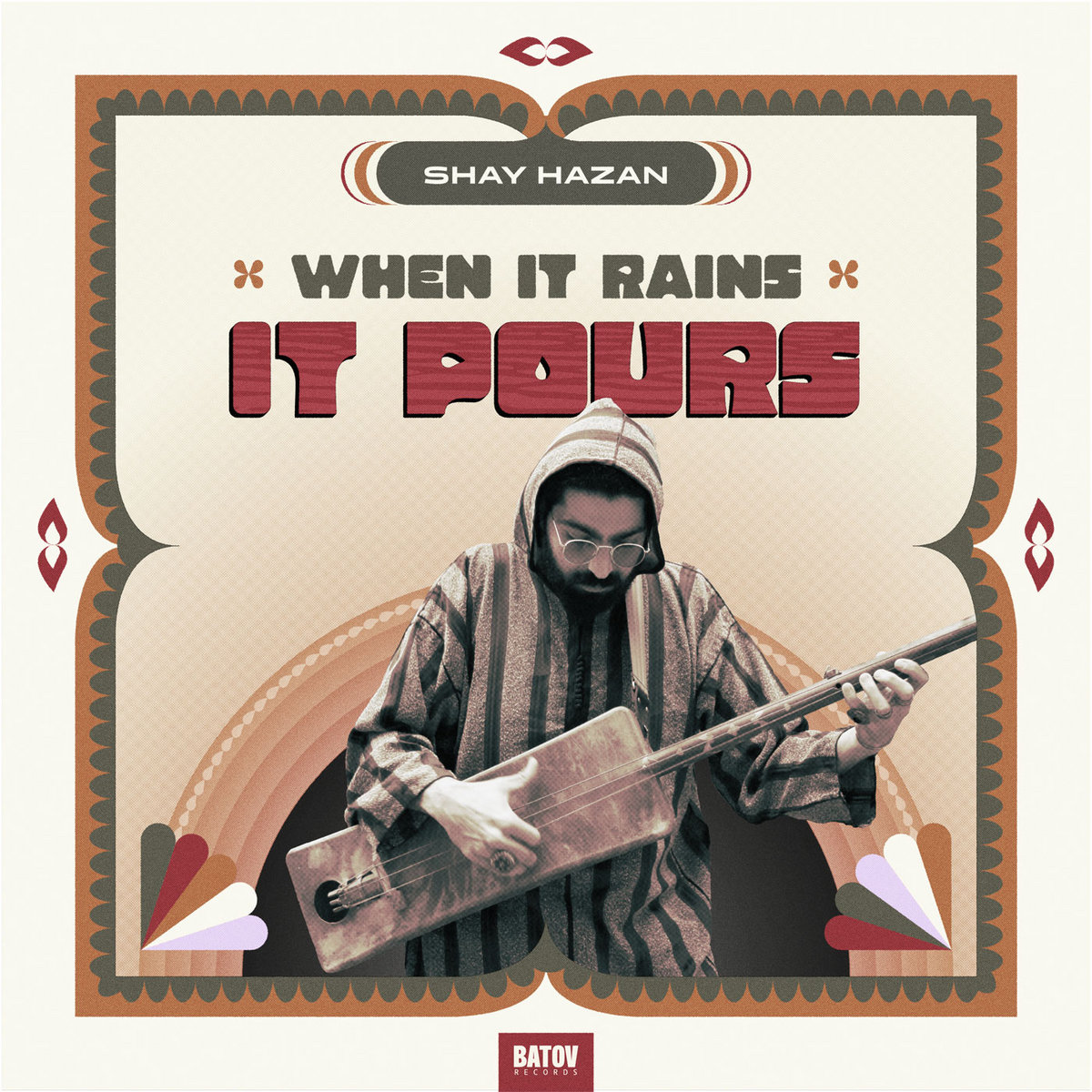
Shay Hazan — "Embrace" (Embrace, 2025)
Shay Hazan es bajista, compositor y productor en Tel Aviv. "Embrace" es el sencillo que preludia When It Rains It Pours — su tercer álbum solista, que sale en Batov Records en diciembre de 2025. Y es quizás su composición más vulnerable hasta la fecha: su propia voz, el guimbri, y el teclado circulando alrededor de una misma idea. La letra habla de abrazar el dolor y la ansiedad en lugar de apartarlos. Un mantra construido dentro de un groove hipnótico.
Mashrou' Leila — "Raksit Leila" (The Beirut School, 2019)
"Raksit Leila" — el baile de Leila — fue el single que lanzó a Mashrou' Leila en 2009, ganándole el premio del jurado y del público en el Concurso de Música Moderna de Radio Líbano. El violín razor-sharp de Haig Papazian maneja el hook sobre una base rítmica construida con la lógica del loop árabe clásico. La versión aquí viene de The Beirut School, el recopilatorio de 2019 que cierra una década de la banda.
Una herramienta compartida entre dos sensibilidades que rara vez conversan.
Shay Hazan — "Embrace" (Embrace, 2025)
Shay Hazan is a bassist, composer and producer based in Tel Aviv. "Embrace" is the single that previews When It Rains It Pours, his third solo album, dropping on Batov Records in December 2025. It's perhaps his most vulnerable composition to date: his own voice, guimbri, and keys circling the same idea. The lyric is about embracing pain and anxiety rather than pushing them aside. A mantra built inside a hypnotic groove.
Mashrou' Leila — "Raksit Leila" (The Beirut School, 2019)
"Raksit Leila" — Leila's dance — was the single that launched Mashrou' Leila in 2009, winning both the jury and popular prizes at Radio Liban's Modern Music Contest. Haig Papazian's razor-sharp violin carries the hook over a rhythmic base built on the logic of the classical Arabic loop. This version comes from The Beirut School, the 2019 compilation that closes the band's first decade.
A shared tool between two sensibilities that rarely converse.
03 · Psicodelia como Ritual
03 · Psicodelia como Ritual
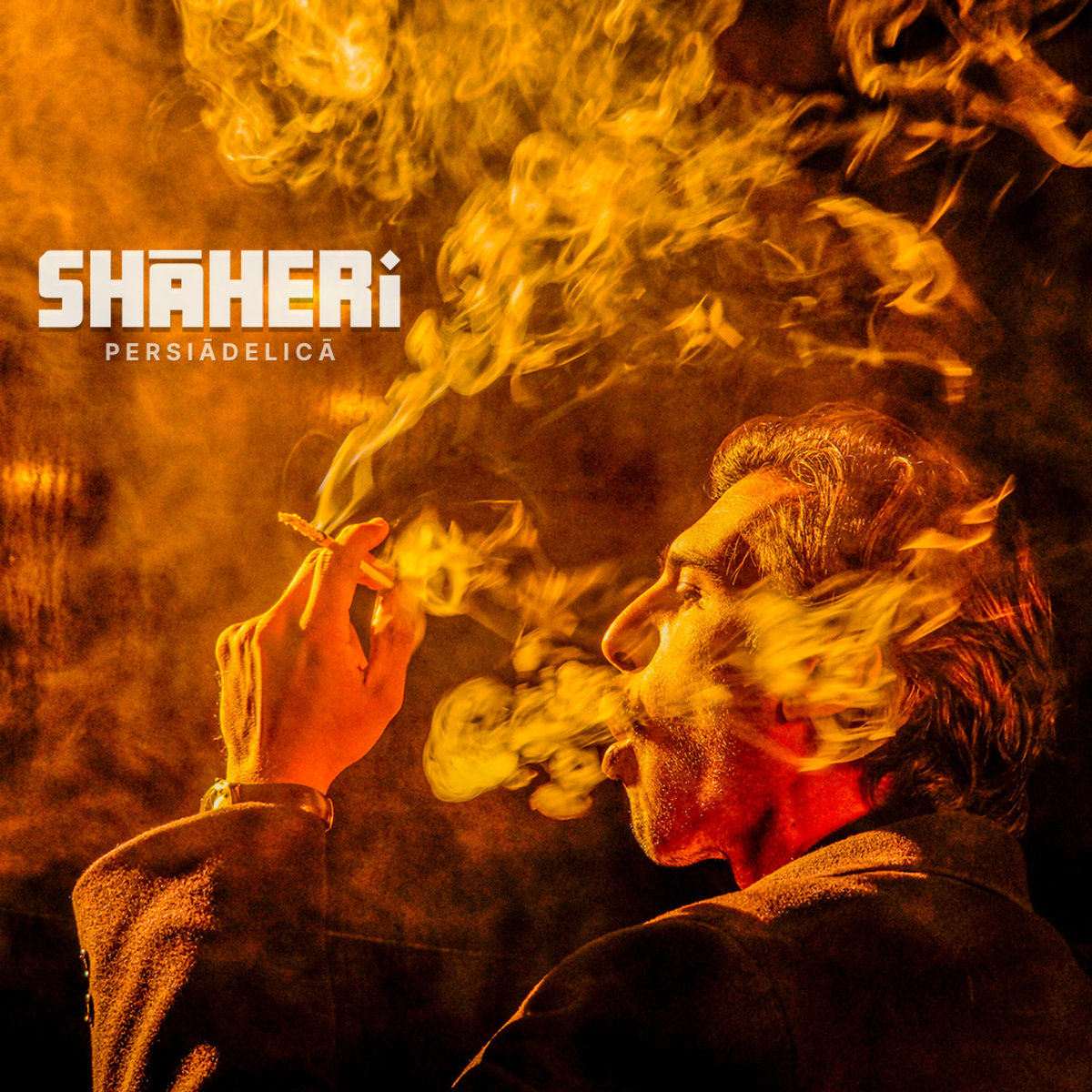
SHĀHERI — "Dokhtar Shekar" (Persiādelicā, 2025)
SHĀHERI es Jonathan Shaheri, nacido y criado en Los Ángeles de padres iraníes emigrantes. Persiādelicā — su EP debut de diciembre 2025 — mezcla el funk psicodélico persa de los 70 con la guitarra surf del LA contemporáneo. "Dokhtar Shekar" ("chica de azúcar") es el sencillo que lo puso en el mapa. No es nostalgia — es un hijo del exilio construyendo una línea hacia una tradición que nunca vivió directamente.
Ali — "Pulse" (Patterns, 2025)
Ali es un supergrupo de Yakarta — Arswandaru Cahyo (de Mooner), John Paul Patton (de Kelompok Penerbang Roket), Absar Lebeh (de The Sigit). Se metieron en la ola del "habibi funk," incorporando elementos del funk mediterráneo dentro del groove indonesio. Patterns es su segundo álbum; "Pulse" abre el disco como una declaración de intenciones: la repetición como textura, el motivo rítmico como hilo narrativo.
Dos psicodelias lejanas, cada una construida para entrar en trance por caminos diferentes.
SHĀHERI — "Dokhtar Shekar" (Persiādelicā, 2025)
SHĀHERI is Jonathan Shaheri, born and raised in Los Angeles to Iranian immigrant parents. Persiādelicā — his debut EP from December 2025 — blends 1970s Persian psychedelic funk with contemporary LA surf guitar. "Dokhtar Shekar" ("sugar girl") is the single that put him on the map. This isn't nostalgia — it's a child of the exile building a line toward a tradition he never lived directly.
Ali — "Pulse" (Patterns, 2025)
Ali is a Jakarta supergroup — Arswandaru Cahyo (of Mooner), John Paul Patton (of Kelompok Penerbang Roket), Absar Lebeh (of The Sigit). They rode the "habibi funk" wave, folding Mediterranean funk elements into Indonesian groove. Patterns is their second album; "Pulse" opens the record as a statement of intent: repetition as texture, rhythmic motif as narrative thread.
Two distant psychedelias, each built to enter trance through different doors.
04 · Motorik y Drone del Norte
04 · Motorik y Drone del Norte
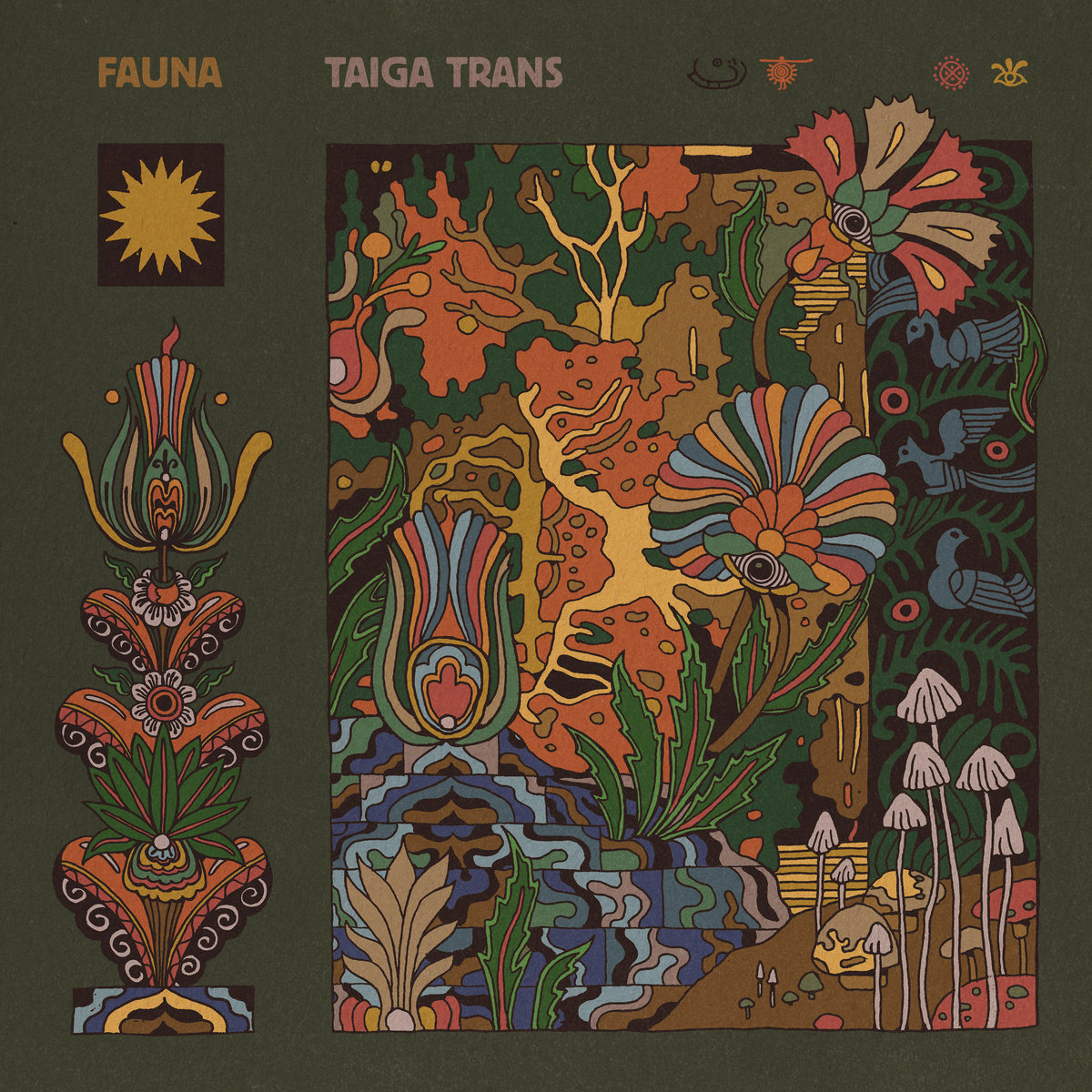
Fauna — "Bland Stenar" (Taiga Trans, 2026)
Fauna es un colectivo sueco de ocho integrantes en Gotemburgo. Su debut, Taiga Trans, sale en Glitterbeat en abril 2026 — un álbum que sintetiza el krautrock, la psicodelia ritual y la energía rave subterránea. "Bland Stenar" ("entre las piedras") abre el disco con saz turco, darbuka norteafricano, y el bajo grueso de Ibrahim Shabo. El loop motorik sueco atravesado por instrumentos de todo el Mediterráneo.
Tristwch Y Fenywod — "Blodyn Gwyrdd" (Tristwch Y Fenywod, 2024)
Tristwch Y Fenywod — "la tristeza de las mujeres" — es un trío de Leeds que graba exclusivamente en galés. Gwretsien Ferch Lisbeth toca dos cítaras simultáneamente; Leila Lygad maneja los tambores electrónicos; Sidni Sarffwraig el bajo. "Blodyn Gwyrdd" ("flor verde") es el track de apertura de su debut en Night School Records — una procesión en 6/8, con voz impasionada y el bajo en marcha lenta.
No es lo antiguo purificado. Es lo antiguo poseído — los drums electrónicos reclamando el ritual, la cítara procesada como instrumento gótico.
Fauna — "Bland Stenar" (Taiga Trans, 2026)
Fauna is an eight-piece Swedish collective in Gothenburg. Their debut, Taiga Trans, drops on Glitterbeat in April 2026 — an album that synthesizes krautrock, ritual psychedelia, and subterranean rave energy. "Bland Stenar" ("among stones") opens the record with Turkish saz, North African darbuka, and Ibrahim Shabo's thick bass. A Swedish motorik loop crossed by instruments from across the Mediterranean.
Tristwch Y Fenywod — "Blodyn Gwyrdd" (Tristwch Y Fenywod, 2024)
Tristwch Y Fenywod — "the sadness of women" — is a Leeds trio recording exclusively in Welsh. Gwretsien Ferch Lisbeth plays dual zithers simultaneously; Leila Lygad works the electronic drums; Sidni Sarffwraig the bass. "Blodyn Gwyrdd" ("green flower") opens their self-titled debut on Night School Records — a 6/8 procession with impassioned vocals and a slow-marching bass line.
This isn't the ancient purified. It's the ancient possessed — electronic drums reclaiming the ritual, the zither processed as a gothic instrument.
05 · El Dub Cósmico
05 · El Dub Cósmico
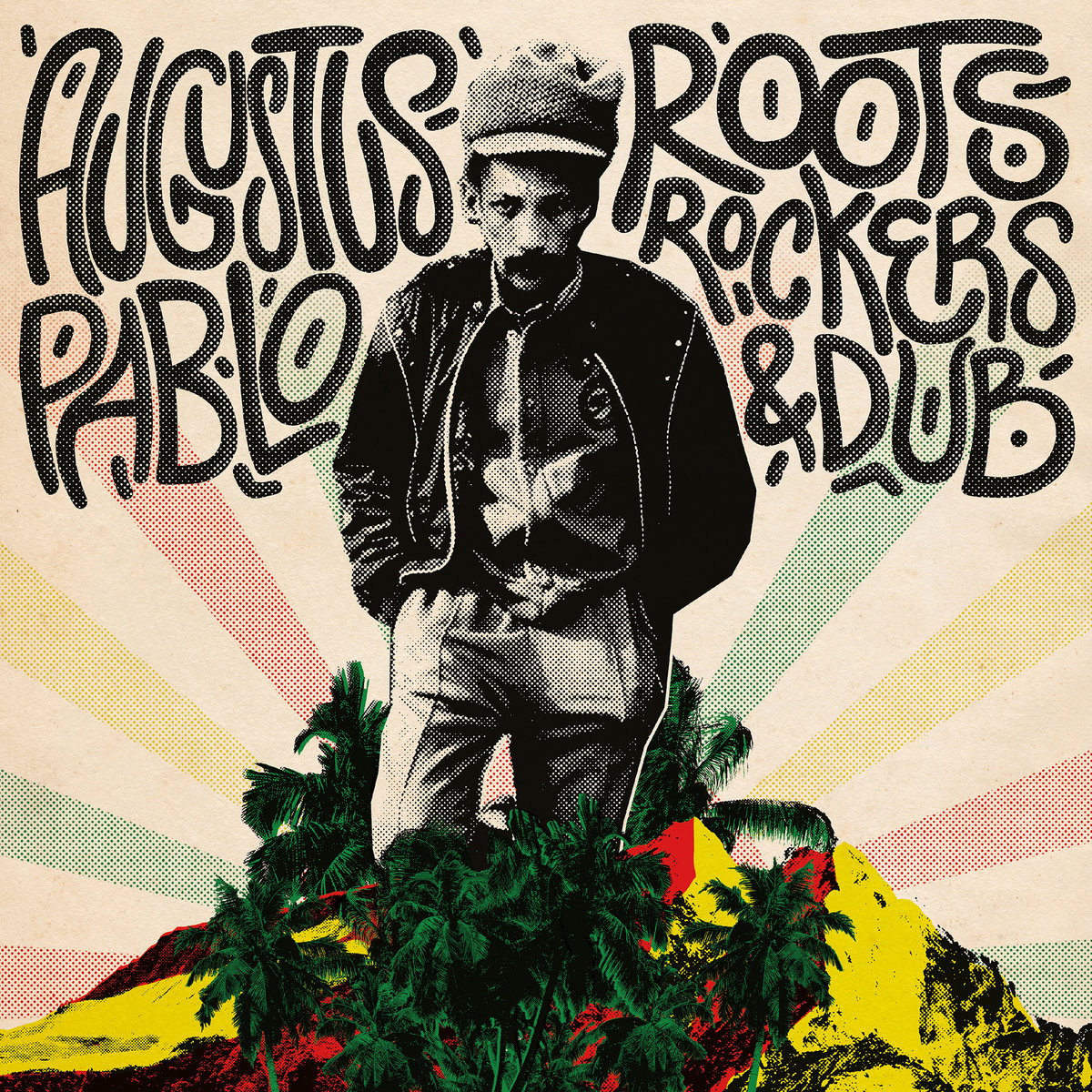
Augustus Pablo & King Tubby — "King Tubby Meets Rockers Uptown" (King Tubbys Meets Rockers Uptown, 1976)
Horace Swaby — Augustus Pablo — traía la melodica, instrumento considerado infantil, hacia un lugar meditativo y espeluznante. Osbourne Ruddock — King Tubby — comenzó como técnico de radio en Waterhouse, Kingston, y se convirtió en el inventor del remix y del dub. Esta canción es una versión dub del tema de Jacob Miller "Baby I Love You So," y Rolling Stone la puso en el lugar 266 de las mejores 500 canciones de la historia.
Del dubplate jamaiquino nacerían el hip-hop, la techno, la electrónica — y la idea misma del productor como autor.
Red Axes feat. Abrão — "Papa Sooma" (Ballad Of The Ice, 2014)
Dori Sadovnik y Niv Arzi — Red Axes — son un dúo de Tel Aviv informado por el post-punk, el new wave y todos los sonidos de club del último medio siglo. "Papa Sooma," con el colaborador Abrão Levin, es una meditación hipnótica en portugués construida sobre una cadencia de dub punk — la línea directa que conecta Kingston de 1976 con el club electrónico del presente.
Dos tracks con el loop en el centro, separados por casi cuarenta años.
Augustus Pablo & King Tubby — "King Tubby Meets Rockers Uptown" (King Tubbys Meets Rockers Uptown, 1976)
Horace Swaby — Augustus Pablo — took the melodica, an instrument considered childlike, to a meditative and eerie place. Osbourne Ruddock — King Tubby — started as a radio technician in Kingston's Waterhouse neighborhood and became the inventor of the remix and of dub itself. This track is a dub version of Jacob Miller's "Baby I Love You So," and Rolling Stone placed it at #266 on its 500 greatest songs of all time.
Hip-hop, techno, and electronic music would be born from the Jamaican dubplate — along with the very idea of the producer as author.
Red Axes feat. Abrão — "Papa Sooma" (Ballad Of The Ice, 2014)
Dori Sadovnik and Niv Arzi — Red Axes — are a Tel Aviv duo informed by post-punk, new wave, and the club sounds of the last half century. "Papa Sooma," with collaborator Abrão Levin, is a hypnotic meditation in Portuguese built on a dub-punk cadence — the direct line that connects 1976 Kingston with the electronic club of the present.
Two tracks with the loop at the center, separated by nearly forty years.
06 · La Mesa Compartida
06 · La Mesa Compartida
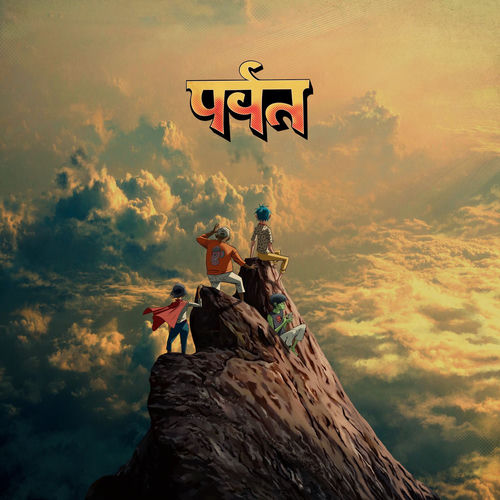
Gorillaz feat. Omar Souleyman & Yasiin Bey — "Damascus" (The Mountain, 2026)
El capstone del episodio, del noveno álbum de Gorillaz, The Mountain, salido en febrero 2026 en el sello propio de la banda, KONG. Damon Albarn como hospedador. Omar Souleyman trayendo el dabke sirio — el loop ancestral del levante. Yasiin Bey — antes Mos Def — trayendo el flow del hip-hop neoyorquino, que a su vez nació de la cultura del sound system que Kool Herc trajo de Jamaica al Bronx.
Tres loops. Tres culturas. Una sola mesa.
Gorillaz feat. Omar Souleyman & Yasiin Bey — "Damascus" (The Mountain, 2026)
The episode's capstone, from Gorillaz's ninth album The Mountain, released February 2026 on the band's own KONG label. Damon Albarn as host. Omar Souleyman bringing the Syrian dabke — the ancestral loop of the Levant. Yasiin Bey — formerly Mos Def — bringing the flow of New York hip-hop, which itself was born from the sound-system culture Kool Herc brought from Jamaica to the Bronx.
Three loops. Three cultures. One table.